

 Arsenal
 Manchester City
 Manchester United
 Liverpool
 Aston Villa
 Brentford
 Brighton
 Bournemouth
 Chelsea
 Fulham
 Everton
 Sunderland
 Newcastle
 Crystal Palace
 Leeds
Leeds Nottingham Forest
 West Ham
 Tottenham
 Burnley
 Wolves
 Coventry
 Ipswich
 Millwall
 Southampton
 Middlesbrough
 Hull City
 Wrexham
 Derby
Derby Norwich
 Birmingham
 Swansea
 Bristol City
 Sheffield Utd
 Preston
 QPR
QPR Watford
 Stoke City
 Portsmouth
 Charlton
 Blackburn
 West Brom
 Oxford United
 Leicester
 Sheffield Wednesday
 Lincoln
 Cardiff
 Stockport County
 Bradford
 Bolton
 Stevenage
 Luton
Luton Plymouth
 Huddersfield
 Mansfield Town
 Wycombe
 Reading
 Blackpool
 Doncaster
 Barnsley
 Wigan
Wigan Burton Albion
 Peterborough
 AFC Wimbledon
 Leyton Orient
 Exeter City
 Port Vale
 Rotherham
 Northampton
 Bromley
  Milton Keynes Dons
 Cambridge United
 Salford City
 Notts County
 Chesterfield
 Grimsby
 Barnet
 Swindon Town
 Oldham
 Crewe
Crewe Colchester
 Walsall
 Bristol Rovers
 Fleetwood Town
 Accrington ST
 Gillingham
  Cheltenham
 Shrewsbury
 Newport County
 Tranmere
 Crawley Town
 Harrogate Town
 Barrow
 York
York Rochdale
 Carlisle
 Boreham Wood
 Scunthorpe
 Southend
 Forest Green
 FC Halifax Town
 Hartlepool
 Woking
 Tamworth
 Boston United
 Altrincham
 Solihull Moors
 Wealdstone
 Yeovil Town
 Eastleigh
 Gateshead
 Sutton Utd
 Aldershot Town
 Brackley Town
 Morecambe
 Braintree
 Truro City
 AFC Fylde
 South Shields
 Kidderminster Harriers
 Macclesfield
 Buxton
 Scarborough Athletic
 Chester
 Merthyr Town
 Darlington 1883
 Spennymoor Town
 AFC Telford United
 Marine
 Radcliffe
 Southport
 Chorley
 Worksop Town
 Oxford City
 Bedford Town
 King's Lynn Town
 Hereford
 Curzon Ashton
 Alfreton Town
 Peterborough Sports
 Leamington
 Worthing
 AFC Hornchurch
 Torquay
 Dorking Wanderers
 Hemel Hempstead Town
 Weston-super-Mare
 Maidenhead
 Maidstone Utd
  Ebbsfleet United
  Chelmsford City
 Chesham United
 AFC Totton
 Dagenham & Redbridge
 Tonbridge Angels
  Horsham
 Slough Town
 Salisbury
 Hampton & Richmond
 Farnborough
 Dover
Dover  Bath City
 Chippenham Town
 Enfield Town
 Eastbourne Borough
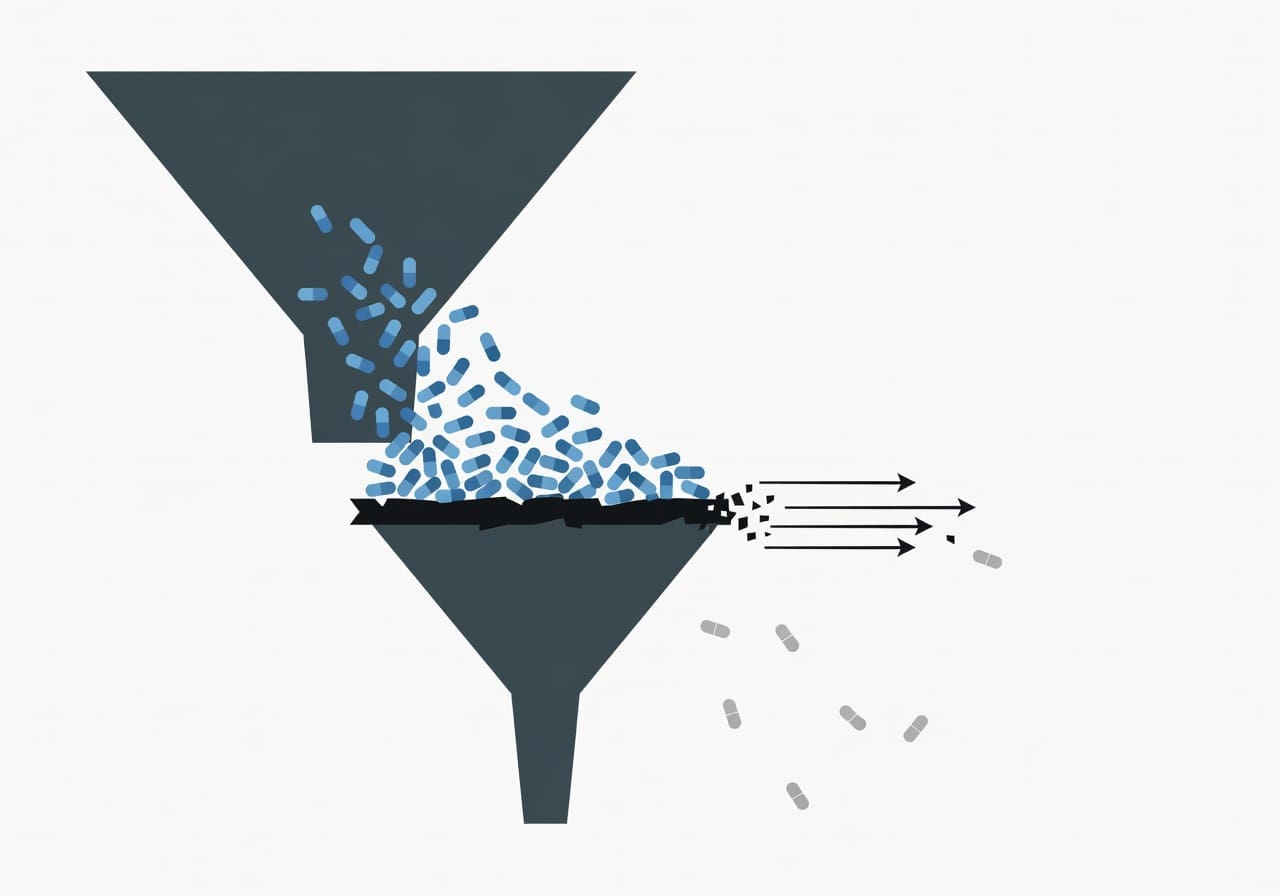
New research shows many post-authorisation medicines studies registered with European regulators are not meeting legal transparency requirements.
A new study published in the British Medical Journal has raised concerns about significant gaps in the transparency of post-authorisation safety studies (PASS) registered with the European Medicines Agency, with researchers finding that many approved medicines studies are failing to comply with legal requirements to make their findings publicly available.
Post-authorisation studies are an important part of medicines regulation, conducted after a drug has been approved for use to monitor its safety and effectiveness in real-world conditions. These studies can identify serious side effects that were not detected during initial clinical trials, or reveal how medicines perform in patient populations not included in original testing.
The research reveals a troubling pattern: only around six out of every ten finalised and ongoing post-authorisation studies had uploaded their protocols to publicly accessible registers, and fewer than seven out of ten had made their findings available as required. This lack of transparency means that healthcare professionals, patients, and regulators may not have access to crucial information about how medicines perform after they have entered widespread use.
Understanding the transparency frameworkThe European Medicines Agency operates the EU Post-Authorisation Study Register (EU PAS Register) specifically to promote transparency in medicines monitoring. Under current European regulations, pharmaceutical companies are legally required to register these studies and, in many cases, to publish their results. The regulatory guidance emphasises that results should be made available to support transparency in decision-making and to help regulators evaluate whether medicines continue to meet safety and efficacy standards.
However, research examining regulatory outcomes for completed post-authorisation studies between 2012 and 2020 found significant inconsistencies. Whilst information availability has improved over time—increasing from 25 per cent for studies completed between 2012 and 2014 to 56 per cent for those completed between 2018 and 2020—substantial gaps remain. When information was available, it was often vague and lacking in detail, making it difficult for independent researchers or regulators to understand the actual findings or regulatory impact of these studies.
What the data showsAcross 84 post-authorisation studies examined in detail, fewer than half had identifiable regulatory outcomes documented anywhere on the EMA website or related regulatory documents. The lack of standardisation across different EMA sources—including meeting minutes, public assessment reports, and webpages—created additional barriers to accessing this information. Researchers noted that many studies were difficult to identify and track, hampered by the absence of unique identifiers and inconsistent record-keeping across regulatory platforms.
Interestingly, studies that were formally imposed by regulators as conditions of approval were more likely to have documented outcomes (78 per cent) compared to voluntary studies (34 per cent), suggesting that mandatory studies receive greater regulatory scrutiny and documentation.
Why transparency matters for patient safetyThe findings underscore a critical principle in medicines regulation: serious adverse drug reactions are sometimes only discovered after approval, when medicines are used across much larger and more diverse populations than those included in initial clinical trials. Post-authorisation studies serve as an early warning system, potentially identifying safety issues that could affect thousands of patients.
Without timely publication of study findings, healthcare professionals cannot make fully informed prescribing decisions, patients cannot make informed choices about their treatments, and regulators cannot take swift action if safety concerns emerge. The delay or failure to publish results also creates the potential for duplication of research effort, wasting resources and unnecessarily exposing additional research participants to studied interventions.
Calls for improved complianceResearchers are calling for better adherence to transparency requirements, recommending several improvements: the introduction of unique identifiers for each post-authorisation study to facilitate tracking; complete and timely publication of regulatory outcomes; greater standardisation across EMA information platforms; and clearer communication about how individual studies influenced regulatory decisions.
The British Medical Journal research emphasises that improving transparency is not merely an administrative matter—it is fundamental to public trust in medicines regulation and to the safety monitoring systems designed to protect patients. Enhanced transparency would also support healthcare research more broadly, allowing independent researchers to access data needed for analysis and evidence synthesis.
Source: @bmj_latest
Key Takeaways
- Many post-authorisation studies registered with the European Medicines Agency do not publish their findings as legally required
- Only around 60 per cent of finalised studies had uploaded protocols, and fewer than 70 per cent published their results
- Lack of transparency stems partly from inconsistent record-keeping and absence of unique study identifiers across regulatory platforms
- Better compliance is essential for patient safety, as post-authorisation studies identify side effects that emerge after medicines are widely used
What This Means for Kent Residents
For patients in Kent and across the UK, these findings highlight the importance of robust medicines monitoring systems. Whilst the EMA oversees licensing at the European level, the UK Health Security Agency and NHS England work with the Medicines and Healthcare products Regulatory Agency to monitor medicines safety within the UK health service. Any delays or gaps in transparency around post-authorisation study findings can indirectly affect how medicines are prescribed and monitored in NHS settings across Kent and Medway. Kent residents who have concerns about a medicine they are taking can report adverse effects through their GP or directly via the Yellow Card scheme run by the UK medicines regulator. Improved transparency at the European level will ultimately strengthen the evidence base available to NHS clinicians when making treatment decisions.