

 Arsenal
 Manchester City
 Manchester United
 Liverpool
 Aston Villa
 Brentford
 Brighton
 Bournemouth
 Chelsea
 Fulham
 Everton
 Sunderland
 Newcastle
 Crystal Palace
 Leeds
Leeds Nottingham Forest
 West Ham
 Tottenham
 Burnley
 Wolves
 Coventry
 Ipswich
 Millwall
 Southampton
 Middlesbrough
 Hull City
 Wrexham
 Derby
Derby Norwich
 Birmingham
 Swansea
 Bristol City
 Sheffield Utd
 Preston
 QPR
QPR Watford
 Stoke City
 Portsmouth
 Charlton
 Blackburn
 West Brom
 Oxford United
 Leicester
 Sheffield Wednesday
 Lincoln
 Cardiff
 Stockport County
 Bradford
 Bolton
 Stevenage
 Luton
Luton Plymouth
 Huddersfield
 Mansfield Town
 Wycombe
 Reading
 Blackpool
 Doncaster
 Barnsley
 Wigan
Wigan Burton Albion
 Peterborough
 AFC Wimbledon
 Leyton Orient
 Exeter City
 Port Vale
 Rotherham
 Northampton
 Bromley
  Milton Keynes Dons
 Cambridge United
 Salford City
 Notts County
 Chesterfield
 Grimsby
 Barnet
 Swindon Town
 Oldham
 Crewe
Crewe Colchester
 Walsall
 Bristol Rovers
 Fleetwood Town
 Accrington ST
 Gillingham
  Cheltenham
 Shrewsbury
 Newport County
 Tranmere
 Crawley Town
 Harrogate Town
 Barrow
 York
York Rochdale
 Carlisle
 Boreham Wood
 Scunthorpe
 Southend
 Forest Green
 FC Halifax Town
 Hartlepool
 Woking
 Tamworth
 Boston United
 Altrincham
 Solihull Moors
 Wealdstone
 Yeovil Town
 Eastleigh
 Gateshead
 Sutton Utd
 Aldershot Town
 Brackley Town
 Morecambe
 Braintree
 Truro City
 AFC Fylde
 South Shields
 Kidderminster Harriers
 Macclesfield
 Buxton
 Scarborough Athletic
 Chester
 Merthyr Town
 Darlington 1883
 Spennymoor Town
 AFC Telford United
 Marine
 Radcliffe
 Southport
 Chorley
 Worksop Town
 Oxford City
 Bedford Town
 King's Lynn Town
 Hereford
 Curzon Ashton
 Alfreton Town
 Peterborough Sports
 Leamington
 Worthing
 AFC Hornchurch
 Torquay
 Dorking Wanderers
 Hemel Hempstead Town
 Weston-super-Mare
 Maidenhead
 Maidstone Utd
  Ebbsfleet United
  Chelmsford City
 Chesham United
 AFC Totton
 Dagenham & Redbridge
 Tonbridge Angels
  Horsham
 Slough Town
 Salisbury
 Hampton & Richmond
 Farnborough
 Dover
Dover  Bath City
 Chippenham Town
 Enfield Town
 Eastbourne Borough
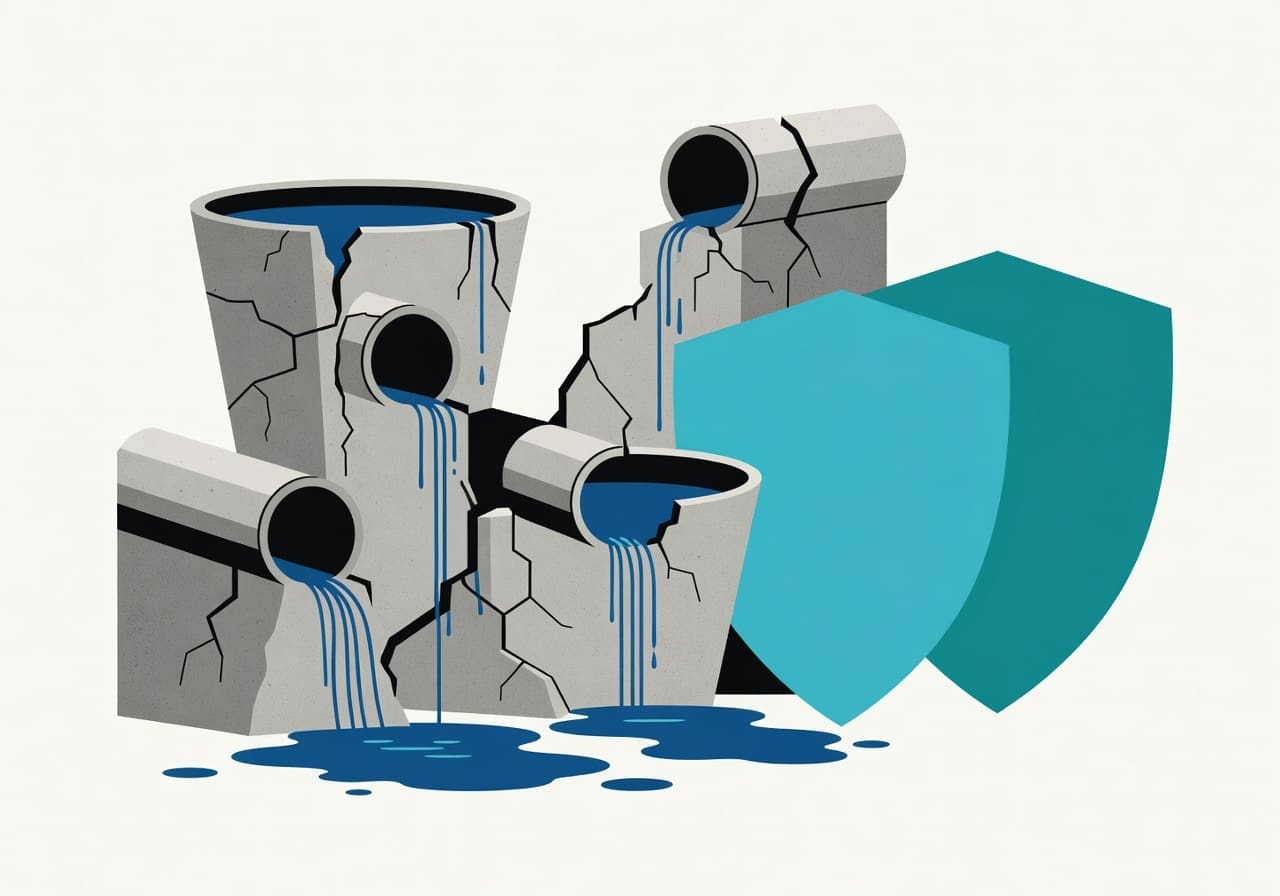
Ageing pipes, contaminated water and sewage overflows are raising serious concerns about the resilience of the UK’s water system and its impact on public health.
The UK’s water infrastructure is under unprecedented strain. In January 2026, approximately 30,000 households across Kent and Sussex lost water supplies entirely, forcing schools to close and hospital appointments to move online. The crisis, triggered by Storm Goretti and freezing conditions that burst aged pipes, was described by Prime Minister Keir Starmer as “totally unacceptable.” Yet this was far from an isolated incident—it represents a symptom of a much deeper problem affecting public health across the nation.
According to the British Medical Journal, the UK’s water system is facing multiple serious threats. Water companies’ performance hit its worst level since 2011, with serious pollution incidents rising by 60 percent in 2024 compared to 2023. In 2024, more than 140 people in Devon became seriously ill after drinking water contaminated with cryptosporidium, a microscopic parasite resistant to standard chlorine treatment that causes severe nausea, vomiting and diarrhoea. The following year, more than 1,200 people fell ill after swimming in designated bathing waters across England, despite three-quarters of those locations being rated “good” or “excellent” by regulatory authorities.
The core issue lies in infrastructure age. Approximately 60 percent of England’s water mains were installed before 1981, with around 13 percent over 100 years old. This crumbling network is not simply an inconvenience—it directly threatens public health. Additionally, sewage pollution from storm overflows and raw sewage discharges represents a serious ongoing threat, with water company storm overflows spilling into England’s rivers, lakes and seas for 3.61 million hours during 2024 alone. Thames Water is currently facing legal action from campaigners over these discharges, which are described as a direct threat to public health.
The government has acknowledged the scale of the challenge. In its “New Vision for Water” white paper, the Department for Environment, Food and Rural Affairs outlined that without action, England could face a water shortfall of 5 billion litres per day by 2055, in addition to a further 1 billion litres daily deficit for the wider economy. This looming crisis is compounded by projected population growth of over 10 million people within the next two decades.
In response, the government has committed £104 billion in investment across the water sector between 2025 and 2030—representing a significant increase from years of historical underinvestment. The National Audit Office estimates that a total of at least £290 billion will be needed before 2050 to ensure the industry can meet growing demands. Water companies are currently delivering record levels of capital investment, with companies preparing to invest £20 billion over 2026-27 alone to secure water supplies, support economic growth and prevent sewage entering rivers and seas.
Specific health-focused improvements are underway. Anglian Water is constructing 35 new storm tanks across the East of England, whilst South West Water is investing £760 million over five years to reduce spills from storm overflows. More than two million households currently receive help with water bills through social tariffs and support schemes, with approximately 300,000 additional households now eligible for assistance in 2026-27, receiving an average discount of around 40 percent. These measures aim to balance necessary infrastructure investment with cost of living pressures.
However, challenges remain. Household water bills in England and Wales have risen by an average of 5.4 percent—approximately £33 per year from April 2026—to fund this investment programme. Five water companies have appealed against Ofwat’s final determinations to the Competition and Markets Authority, meaning total projected investment could potentially increase or decrease from current forecasts.
The government has also introduced a reformed planning approach, moving from short-term spending sprints to a 5/10/25-year framework. This aims to provide five-year funding certainty, indicative commitments for the following five years, and high-level funding needs across a 25-year horizon. Regulators are implementing stricter requirements for water companies to track and reduce water loss through data-driven solutions and mandatory performance audits.
Source: @bmj_latest
Key Takeaways
- The UK’s water infrastructure is predominantly aged, with approximately 60 percent of mains built before 1981, creating serious risks to water quality and supply reliability
- Contamination incidents have caused serious illness outbreaks, including cryptosporidium infections affecting over 140 people in Devon and more than 1,200 people ill after bathing in designated waters in 2025
- The government is committing £104 billion to water sector investment between 2025 and 2030, with an estimated £290 billion needed by 2050 to meet future demands and secure public health
What This Means for Kent Residents
Kent residents experienced the direct impact of infrastructure failure during the January 2026 water outage, when South East Water served notice of its most significant supply disruption in recent years. The good news is that South East Water has secured approval to construct its first new reservoir in over 80 years—a major project that could supply up to 22 million litres daily when completed, equivalent to supplying 275,000 full baths. Planning and design work began in 2026. For residents concerned about water quality and supply, this investment represents a significant step towards greater resilience. Those experiencing difficulty affording water bills should contact their water company directly to enquire about social tariffs and support schemes; South East Water and other providers now support approximately 2.5 million households across England and Wales with financial assistance. For health concerns related to water contamination, residents should contact their GP or NHS 111 service. More information about water safety in your area is available through your local water company’s website and the UK Health Security Agency.