

 Arsenal
 Manchester City
 Manchester United
 Liverpool
 Aston Villa
 Brentford
 Brighton
 Bournemouth
 Chelsea
 Fulham
 Everton
 Sunderland
 Newcastle
 Crystal Palace
 Leeds
Leeds Nottingham Forest
 West Ham
 Tottenham
 Burnley
 Wolves
 Coventry
 Ipswich
 Millwall
 Southampton
 Middlesbrough
 Hull City
 Wrexham
 Derby
Derby Norwich
 Birmingham
 Swansea
 Bristol City
 Sheffield Utd
 Preston
 QPR
QPR Watford
 Stoke City
 Portsmouth
 Charlton
 Blackburn
 West Brom
 Oxford United
 Leicester
 Sheffield Wednesday
 Lincoln
 Cardiff
 Stockport County
 Bradford
 Bolton
 Stevenage
 Luton
Luton Plymouth
 Huddersfield
 Mansfield Town
 Wycombe
 Reading
 Blackpool
 Doncaster
 Barnsley
 Wigan
Wigan Burton Albion
 Peterborough
 AFC Wimbledon
 Leyton Orient
 Exeter City
 Port Vale
 Rotherham
 Northampton
 Bromley
  Milton Keynes Dons
 Cambridge United
 Salford City
 Notts County
 Chesterfield
 Grimsby
 Barnet
 Swindon Town
 Oldham
 Crewe
Crewe Colchester
 Walsall
 Bristol Rovers
 Fleetwood Town
 Accrington ST
 Gillingham
  Cheltenham
 Shrewsbury
 Newport County
 Tranmere
 Crawley Town
 Harrogate Town
 Barrow
 York
York Rochdale
 Carlisle
 Boreham Wood
 Scunthorpe
 Southend
 Forest Green
 FC Halifax Town
 Hartlepool
 Woking
 Tamworth
 Boston United
 Altrincham
 Solihull Moors
 Wealdstone
 Yeovil Town
 Eastleigh
 Gateshead
 Sutton Utd
 Aldershot Town
 Brackley Town
 Morecambe
 Braintree
 Truro City
 AFC Fylde
 South Shields
 Kidderminster Harriers
 Macclesfield
 Buxton
 Scarborough Athletic
 Chester
 Merthyr Town
 Darlington 1883
 Spennymoor Town
 AFC Telford United
 Marine
 Radcliffe
 Southport
 Chorley
 Worksop Town
 Oxford City
 Bedford Town
 King's Lynn Town
 Hereford
 Curzon Ashton
 Alfreton Town
 Peterborough Sports
 Leamington
 Worthing
 AFC Hornchurch
 Torquay
 Dorking Wanderers
 Hemel Hempstead Town
 Weston-super-Mare
 Maidenhead
 Maidstone Utd
  Ebbsfleet United
  Chelmsford City
 Chesham United
 AFC Totton
 Dagenham & Redbridge
 Tonbridge Angels
  Horsham
 Slough Town
 Salisbury
 Hampton & Richmond
 Farnborough
 Dover
Dover  Bath City
 Chippenham Town
 Enfield Town
 Eastbourne Borough
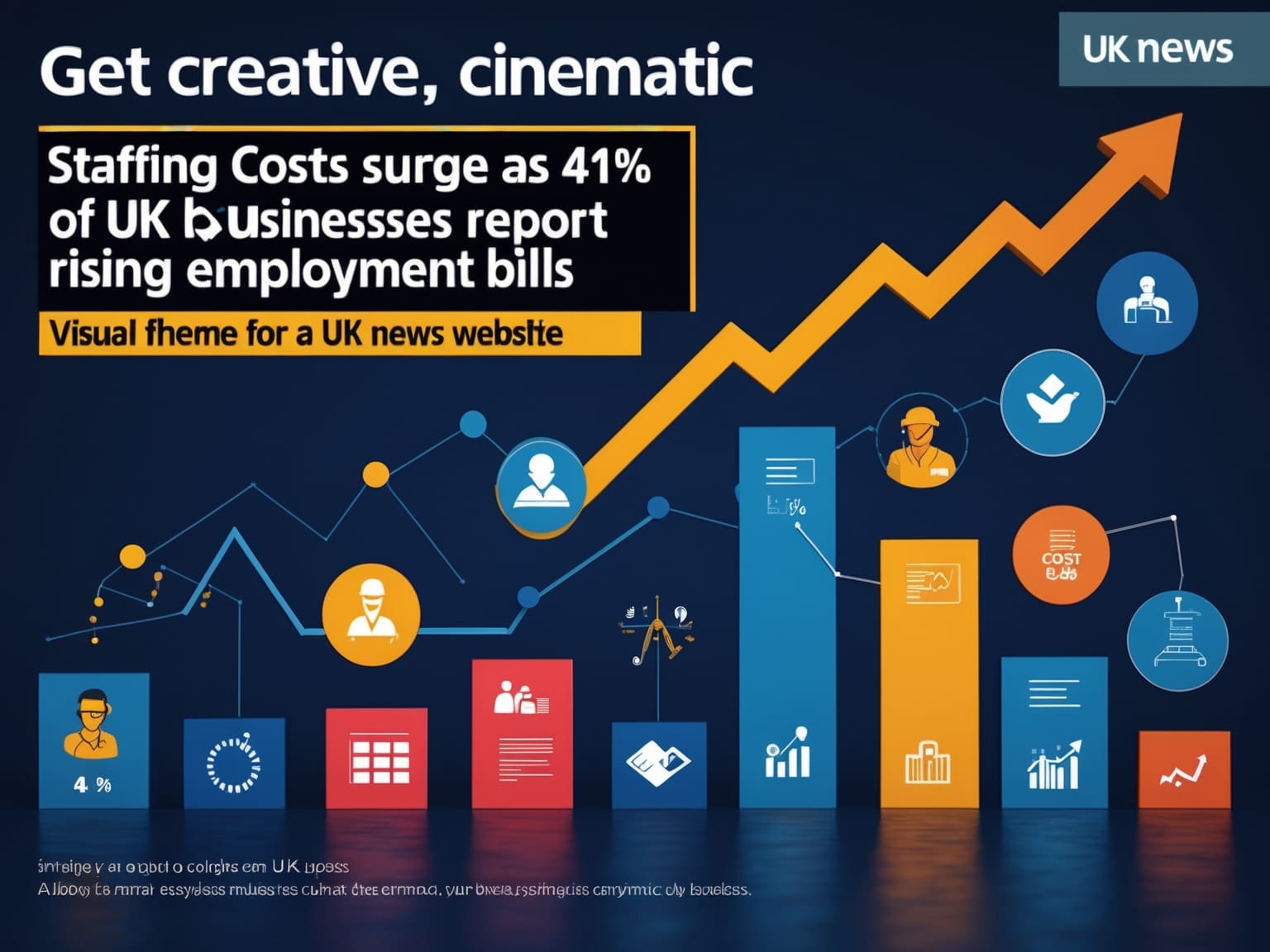
More businesses than ever are struggling with higher wages, pension contributions, and National Insurance costs, with the hospitality sector facing the steepest increases.
Businesses across the United Kingdom are confronting an intensifying cost crisis, with four in ten larger employers reporting sharp increases in staffing expenditure, according to new data from the Office for National Statistics (ONS). The latest figures reveal that 41% of businesses employing ten or more staff said their employment costs—encompassing wages, bonuses, National Insurance contributions, and pension payments—had risen over the three months to February 2026, marking a significant escalation from recent months.
This represents a six percentage point increase compared with November 2025 and a five percentage point rise year-on-year from February 2025. The trend reflects mounting pressure on UK employers as they navigate multiple cost headwinds simultaneously: increases to employer National Insurance contributions from April 2025, the rising National Living Wage, and the cumulative effect of wage inflation across the labour market.
The Budget’s cascading impact on employment costsThe ONS data coincides with widespread concern across British business about the employment tax changes announced in the recent Budget. Analysis by the UK Hospitality sector reveals that the employment tax measures will increase the cost of employing a full-time staff member by at least £2,500. For a typical worker aged 21 or older earning the National Living Wage and working 38 hours per week, employer National Insurance Contributions are set to rise by 53.9%, climbing from £1,863 to £2,869.
The hospitality sector faces the most pronounced squeeze, with employers experiencing a 10% rise in the cost of employment per person. This disproportionate impact reflects the industry’s reliance on lower-wage workers who fall beneath the new National Insurance threshold. The Federation of Small Businesses estimates that a small firm employing nine staff on the National Living Wage will see its annual employment bill rise by £25,850 between January 2025 and April 2026—a 12.9% increase—whilst employer National Insurance costs alone will jump by 46%.
Widespread hiring freezes and workforce cutbacksThe ONS survey data aligns with warnings from business representative bodies about the labour market implications. The British Chambers of Commerce reports that fewer than a quarter (23%) of surveyed businesses are planning to increase their workforce in the coming three months, down from 25% in the previous quarter. Conversely, 14% of firms expect to reduce staff numbers, and 63% anticipate their staffing levels will remain unchanged.
According to the British Retail Consortium, 45% of retail firms have frozen recruitment entirely, whilst 61% are planning to reduce staff hours. In hospitality and food services—sectors where labour costs dominate operational expenses—similar cost pressures are constraining hiring. These freezes emerge as businesses attempt to absorb escalating employment costs without immediately raising prices or cutting investment. The Federation of Small Businesses cautions that many small firms face an impossible choice: curtail expansion ambitions, reduce working hours for existing staff, or make redundancies.
Labour costs dominate business concernsThe data underscores why employment expenses have become the paramount challenge for Britain’s larger enterprises. According to the ONS, cost of labour was the most frequently reported challenge for trading businesses with ten or more employees in early February 2026, cited by 36% of firms. This pressure proved particularly acute for smaller large businesses: firms with ten to 49 employees were significantly more likely to report labour cost concerns (37%) compared with those employing 250 or more staff (20%).
Beyond immediate wage bills, businesses report that rising employment costs are forcing difficult trade-offs in other investment areas. The British Chambers of Commerce notes that over one-fifth of firms have cut staff training budgets, with 57% reporting unchanged investment in workforce development. This represents a concerning trend given that pervasive skills shortages continue to constrain UK economic growth.
The broader economic backdropWhilst the UK services sector has expanded for ten consecutive months through February, the pace of growth has moderated since the beginning of 2026. Respondents to business surveys increasingly cite hiring freezes and the non-replacement of voluntary departures as employers respond to reduced business requirements and elevated cost pressures. Higher employment costs remain the primary factor driving rises in input prices across the services sector.
Simultaneously, economic uncertainty persists as the most widely reported challenge affecting turnover for trading businesses, cited by 30% in early February 2026. For firms with ten or more employees, labour costs and economic uncertainty represent twin pressures constraining both hiring decisions and investment intentions.
Source: @ONS
Key Takeaways
- 41% of businesses with 10+ employees reported staffing costs rising over the three months to February 2026, up from 35% in November 2025
- Employer National Insurance contribution increases from April 2025 will raise the cost of employing a full-time National Living Wage worker by at least £2,500 annually
- Hospitality and food service sectors face the steepest cost burdens, with the British Retail Consortium reporting 45% of retail firms freezing recruitment
- Fewer businesses are planning workforce expansion, with only 23% of firms expecting to increase staff numbers in the coming three months
- Over one-fifth of businesses have reduced staff training investment due to rising employment costs
Watch the Video Report
What This Means for Kent Residents
For Kent households and workers, this employment cost crisis carries tangible consequences. The region’s significant hospitality sector, concentrated in coastal areas and around transport hubs, faces particular pressure to maintain current employment levels. Rising business costs often translate into reduced hiring opportunities for young people and those seeking entry-level roles—sectors where Kent’s labour market remains competitive. Small retailers across Kent’s high streets confront difficult choices between maintaining current opening hours and staffing levels. For existing employees, whilst wage growth continues, the broader employer cost squeeze may dampen prospects for future pay rises and investment in workplace training. Kent’s position as a transport and logistics hub also exposes the region to wider employment pressures as distribution and warehousing businesses absorb higher employment costs.