

 Arsenal
 Manchester City
 Manchester United
 Liverpool
 Aston Villa
 Brentford
 Brighton
 Bournemouth
 Chelsea
 Fulham
 Everton
 Sunderland
 Newcastle
 Crystal Palace
 Leeds
Leeds Nottingham Forest
 West Ham
 Tottenham
 Burnley
 Wolves
 Coventry
 Ipswich
 Millwall
 Southampton
 Middlesbrough
 Hull City
 Wrexham
 Derby
Derby Norwich
 Birmingham
 Swansea
 Bristol City
 Sheffield Utd
 Preston
 QPR
QPR Watford
 Stoke City
 Portsmouth
 Charlton
 Blackburn
 West Brom
 Oxford United
 Leicester
 Sheffield Wednesday
 Lincoln
 Cardiff
 Stockport County
 Bradford
 Bolton
 Stevenage
 Luton
Luton Plymouth
 Huddersfield
 Mansfield Town
 Wycombe
 Reading
 Blackpool
 Doncaster
 Barnsley
 Wigan
Wigan Burton Albion
 Peterborough
 AFC Wimbledon
 Leyton Orient
 Exeter City
 Port Vale
 Rotherham
 Northampton
 Bromley
  Milton Keynes Dons
 Cambridge United
 Salford City
 Notts County
 Chesterfield
 Grimsby
 Barnet
 Swindon Town
 Oldham
 Crewe
Crewe Colchester
 Walsall
 Bristol Rovers
 Fleetwood Town
 Accrington ST
 Gillingham
  Cheltenham
 Shrewsbury
 Newport County
 Tranmere
 Crawley Town
 Harrogate Town
 Barrow
 York
York Rochdale
 Carlisle
 Boreham Wood
 Scunthorpe
 Southend
 Forest Green
 FC Halifax Town
 Hartlepool
 Woking
 Tamworth
 Boston United
 Altrincham
 Solihull Moors
 Wealdstone
 Yeovil Town
 Eastleigh
 Gateshead
 Sutton Utd
 Aldershot Town
 Brackley Town
 Morecambe
 Braintree
 Truro City
 AFC Fylde
 South Shields
 Kidderminster Harriers
 Macclesfield
 Buxton
 Scarborough Athletic
 Chester
 Merthyr Town
 Darlington 1883
 Spennymoor Town
 AFC Telford United
 Marine
 Radcliffe
 Southport
 Chorley
 Worksop Town
 Oxford City
 Bedford Town
 King's Lynn Town
 Hereford
 Curzon Ashton
 Alfreton Town
 Peterborough Sports
 Leamington
 Worthing
 AFC Hornchurch
 Torquay
 Dorking Wanderers
 Hemel Hempstead Town
 Weston-super-Mare
 Maidenhead
 Maidstone Utd
  Ebbsfleet United
  Chelmsford City
 Chesham United
 AFC Totton
 Dagenham & Redbridge
 Tonbridge Angels
  Horsham
 Slough Town
 Salisbury
 Hampton & Richmond
 Farnborough
 Dover
Dover  Bath City
 Chippenham Town
 Enfield Town
 Eastbourne Borough
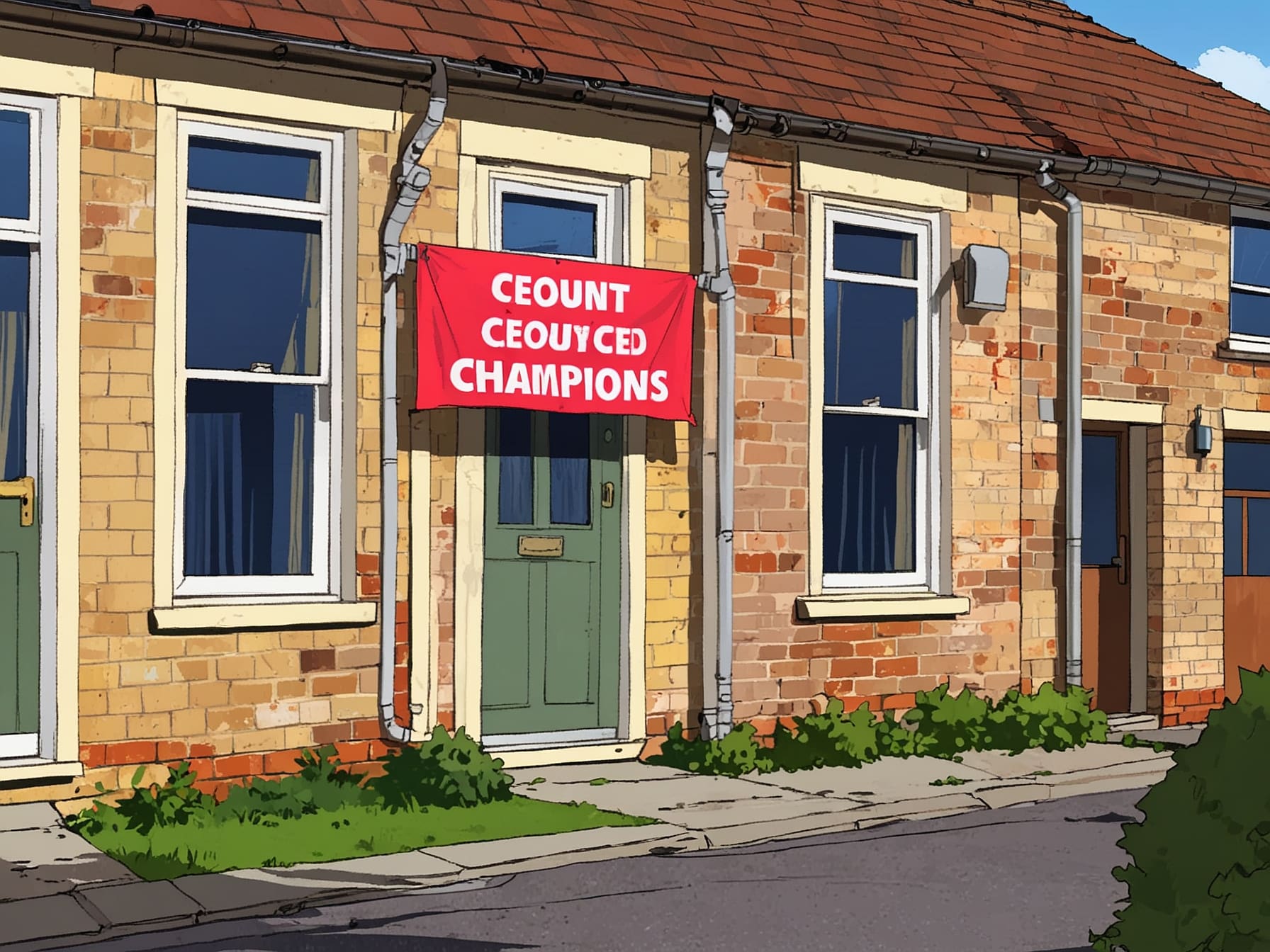
Kent County Council’s No Use Empty scheme brings long-vacant properties back into productive use as part of a nationwide initiative.
Kent County Council is highlighting the success of its No Use Empty scheme this week, coinciding with National Empty Homes Week, a national campaign running from 9th to 15th March. The scheme focuses on identifying and revitalising vacant properties across the county that have been left unused for extended periods.
The initiative comes at a time when empty homes have become an increasingly significant issue nationally. Long-term vacant properties in England have risen substantially, with councils and communities working together to reverse this trend and address housing shortages. By bringing these properties back into use, councils can contribute meaningfully to housing targets without requiring new construction.
The Wider Housing ContextAcross England, local authorities face considerable pressure on housing provision. In 2024-25, councils spent £2.8 billion on temporary accommodation, much of which consists of cramped and unsuitable housing that places strain on families and disrupts children’s education. By contrast, bringing empty homes back into productive use offers a more cost-effective and sustainable solution to housing challenges.
Beyond immediate housing benefits, retrofitting empty properties presents environmental advantages. Converting vacant homes requires substantially lower carbon emissions than constructing new buildings, with retrofitted empty homes using between 50 and 80 per cent less carbon compared to new builds. This approach aligns housing solutions with climate targets whilst delivering energy-efficient homes that are cheaper and more comfortable for residents.
Kent’s Role in the CampaignKent County Council’s participation in National Empty Homes Week demonstrates local commitment to addressing housing difficulties through practical intervention. The No Use Empty scheme works to identify properties, engage with owners, and facilitate their return to residential or community use.
The scheme operates within a broader national context supported by organisations including Action on Empty Homes and the Empty Homes Network, which coordinate efforts across local authorities and highlight best practice in bringing vacant properties back into use.
What This Means for Kent ResidentsFor Kent residents, the revitalisation of empty homes offers several benefits: increased housing availability, reduced pressure on temporary accommodation services, and improved neighbourhood conditions. Properties that have stood vacant often become focal points for anti-social behaviour and community concern; returning them to use enhances local areas.
Kent residents with information about empty properties in their area can report them through local council channels, supporting the authority’s efforts to identify and address vacant housing stock. As National Empty Homes Week continues throughout this week, Kent County Council encourages community participation in this important housing initiative.
Key Takeaways
- National Empty Homes Week (9th-15th March 2026) focuses attention on vacant property revival across England
- Kent County Council’s No Use Empty scheme actively works to bring long-vacant properties back into residential use
- Retrofitting empty homes uses 50-80 per cent less carbon than new construction whilst addressing housing shortages
- Long-term empty homes in England increased significantly last year, making intervention increasingly necessary
- Councils spent £2.8 billion on temporary accommodation in 2024-25, highlighting the cost-benefit of empty homes schemes
What This Means for Kent Residents
Empty homes schemes benefit Kent communities by increasing housing supply, reducing reliance on temporary accommodation, and improving neighbourhood conditions. Residents can support these efforts by reporting vacant properties to Kent County Council, enabling the authority to identify and revitalise properties that could house local families.