

 Arsenal
 Manchester City
 Manchester United
 Liverpool
 Aston Villa
 Brentford
 Brighton
 Bournemouth
 Chelsea
 Fulham
 Everton
 Sunderland
 Newcastle
 Crystal Palace
 Leeds
Leeds Nottingham Forest
 West Ham
 Tottenham
 Burnley
 Wolves
 Coventry
 Ipswich
 Millwall
 Southampton
 Middlesbrough
 Hull City
 Wrexham
 Derby
Derby Norwich
 Birmingham
 Swansea
 Bristol City
 Sheffield Utd
 Preston
 QPR
QPR Watford
 Stoke City
 Portsmouth
 Charlton
 Blackburn
 West Brom
 Oxford United
 Leicester
 Sheffield Wednesday
 Lincoln
 Cardiff
 Stockport County
 Bradford
 Bolton
 Stevenage
 Luton
Luton Plymouth
 Huddersfield
 Mansfield Town
 Wycombe
 Reading
 Blackpool
 Doncaster
 Barnsley
 Wigan
Wigan Burton Albion
 Peterborough
 AFC Wimbledon
 Leyton Orient
 Exeter City
 Port Vale
 Rotherham
 Northampton
 Bromley
  Milton Keynes Dons
 Cambridge United
 Salford City
 Notts County
 Chesterfield
 Grimsby
 Barnet
 Swindon Town
 Oldham
 Crewe
Crewe Colchester
 Walsall
 Bristol Rovers
 Fleetwood Town
 Accrington ST
 Gillingham
  Cheltenham
 Shrewsbury
 Newport County
 Tranmere
 Crawley Town
 Harrogate Town
 Barrow
 York
York Rochdale
 Carlisle
 Boreham Wood
 Scunthorpe
 Southend
 Forest Green
 FC Halifax Town
 Hartlepool
 Woking
 Tamworth
 Boston United
 Altrincham
 Solihull Moors
 Wealdstone
 Yeovil Town
 Eastleigh
 Gateshead
 Sutton Utd
 Aldershot Town
 Brackley Town
 Morecambe
 Braintree
 Truro City
 AFC Fylde
 South Shields
 Kidderminster Harriers
 Macclesfield
 Buxton
 Scarborough Athletic
 Chester
 Merthyr Town
 Darlington 1883
 Spennymoor Town
 AFC Telford United
 Marine
 Radcliffe
 Southport
 Chorley
 Worksop Town
 Oxford City
 Bedford Town
 King's Lynn Town
 Hereford
 Curzon Ashton
 Alfreton Town
 Peterborough Sports
 Leamington
 Worthing
 AFC Hornchurch
 Torquay
 Dorking Wanderers
 Hemel Hempstead Town
 Weston-super-Mare
 Maidenhead
 Maidstone Utd
  Ebbsfleet United
  Chelmsford City
 Chesham United
 AFC Totton
 Dagenham & Redbridge
 Tonbridge Angels
  Horsham
 Slough Town
 Salisbury
 Hampton & Richmond
 Farnborough
 Dover
Dover  Bath City
 Chippenham Town
 Enfield Town
 Eastbourne Borough
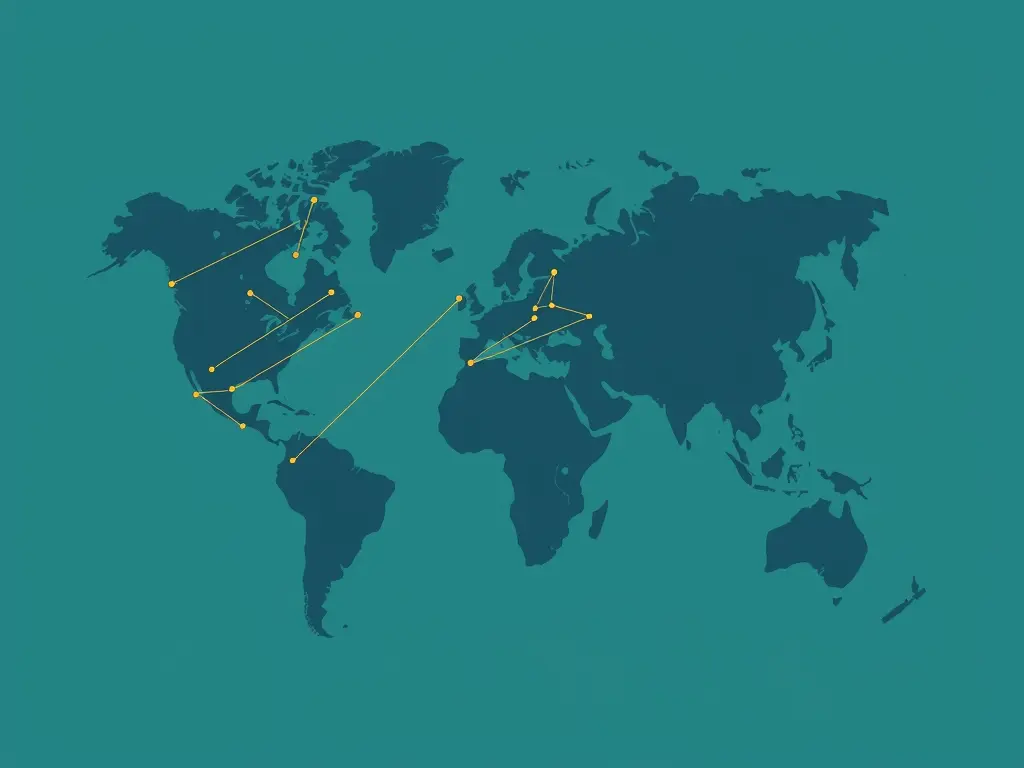
A major medical journal collection backed by WHO and UNICEF calls for more equitable international health research, potentially affecting how Kent institutions collaborate worldwide.
When Kent-based researchers work with colleagues in Africa or Asia, who sets the agenda? A new collection published by the BMJ and BMJ Global Health is asking tough questions about power imbalances in global health research – and the answers might surprise local academics.
The collection, announced recently on social media, brings together contributions from some of the world’s most influential health organisations including the World Health Organization, UNICEF, and the World Bank Group. But this isn’t just another academic exercise. It’s calling for nothing less than the “decolonisation” of how global health research gets done.
Challenging Old Ways of Working
What does decolonising global health actually mean? The movement addresses how research has historically been structured, with wealthy countries like the UK often setting priorities even as lower-income nations provide data or test subjects. Think of it as questioning who gets to decide what health problems matter most – and who benefits from the solutions.
The BMJ collection highlights both successes and ongoing challenges in creating more equitable partnerships. Rather than the traditional model where researchers from high-income countries parachute in to study health problems, the focus shifts towards genuine collaboration where all partners have equal say in research priorities.
This approach rejects what experts call “technical assistance” – a term that implies some countries need help even as others provide expertise. Instead, it promotes two-way learning where innovations from lower-income countries can benefit wealthier nations too.
Beyond Academic Rhetoric
Critics worry that decolonisation risks becoming fashionable jargon without real change. The movement faces the challenge of moving beyond ideological statements to practical reforms that genuinely shift power dynamics in research partnerships.
The collection emphasises the need for what researchers call “multipolarity” – sharing power more equally across different regions and income levels. This means rethinking everything from who gets research funding to whose names appear first on published papers.
For health professionals working internationally, this represents a fundamental shift. The traditional model where expertise flows one way – from rich to poor countries – is being challenged by evidence that innovation and solutions often emerge from resource-constrained settings.
Source: @bmj_latest
Key Takeaways
- Major health organisations are pushing for more equitable international research partnerships
- The “decolonisation” movement challenges traditional power imbalances in global health studies
- Changes could affect how UK universities and researchers collaborate internationally
What This Means for Kent Residents
While this might seem distant from daily life in Canterbury or Maidstone, the implications could reach closer to home than expected. The University of Kent and other local institutions involved in international health research may need to examine their partnerships through this new lens of equity and collaboration. Health professionals from Kent working abroad – whether through NHS international programmes or charity work – are being encouraged to adopt these more equitable approaches in their collaborations. For residents considering careers in global health or supporting international health charities, understanding these shifting dynamics helps ensure their contributions support genuinely beneficial partnerships rather than perpetuating outdated colonial-era approaches to international development.