

 Arsenal
 Manchester City
 Manchester United
 Liverpool
 Aston Villa
 Bournemouth
 Brentford
 Brighton
 Chelsea
 Everton
 Fulham
 Sunderland
 Newcastle
 Leeds
Leeds Crystal Palace
 Nottingham Forest
 Tottenham
 West Ham
 Burnley
 Wolves
 Coventry
 Ipswich
 Millwall
 Southampton
 Middlesbrough
 Hull City
 Wrexham
 Derby
Derby Norwich
 Birmingham
 Swansea
 Bristol City
 Sheffield Utd
 Preston
 QPR
QPR Watford
 Stoke City
 Portsmouth
 Charlton
 Blackburn
 West Brom
 Oxford United
 Leicester
 Sheffield Wednesday
 Lincoln
 Cardiff
 Stockport County
 Bradford
 Bolton
 Stevenage
 Luton
Luton Plymouth
 Huddersfield
 Mansfield Town
 Wycombe
 Reading
 Blackpool
 Doncaster
 Barnsley
 Wigan
Wigan Burton Albion
 Peterborough
 AFC Wimbledon
 Leyton Orient
 Exeter City
 Port Vale
 Rotherham
 Northampton
 Bromley
  Milton Keynes Dons
 Cambridge United
 Salford City
 Notts County
 Chesterfield
 Grimsby
 Barnet
 Swindon Town
 Oldham
 Crewe
Crewe Colchester
 Walsall
 Bristol Rovers
 Fleetwood Town
 Accrington ST
 Gillingham
  Cheltenham
 Shrewsbury
 Newport County
 Tranmere
 Crawley Town
 Harrogate Town
 Barrow
 York
York Rochdale
 Carlisle
 Boreham Wood
 Scunthorpe
 Southend
 Forest Green
 FC Halifax Town
 Hartlepool
 Woking
 Tamworth
 Boston United
 Altrincham
 Solihull Moors
 Wealdstone
 Yeovil Town
 Eastleigh
 Gateshead
 Sutton Utd
 Aldershot Town
 Brackley Town
 Morecambe
 Braintree
 Truro City
 AFC Fylde
 South Shields
 Kidderminster Harriers
 Macclesfield
 Buxton
 Scarborough Athletic
 Chester
 Merthyr Town
 Darlington 1883
 Spennymoor Town
 AFC Telford United
 Marine
 Radcliffe
 Southport
 Chorley
 Worksop Town
 Oxford City
 Bedford Town
 King's Lynn Town
 Hereford
 Curzon Ashton
 Alfreton Town
 Peterborough Sports
 Leamington
 Worthing
 AFC Hornchurch
 Torquay
 Dorking Wanderers
 Hemel Hempstead Town
 Weston-super-Mare
 Maidenhead
 Maidstone Utd
  Ebbsfleet United
  Chelmsford City
 Chesham United
 AFC Totton
 Dagenham & Redbridge
 Tonbridge Angels
  Horsham
 Slough Town
 Salisbury
 Hampton & Richmond
 Farnborough
 Dover
Dover  Bath City
 Chippenham Town
 Enfield Town
 Eastbourne Borough
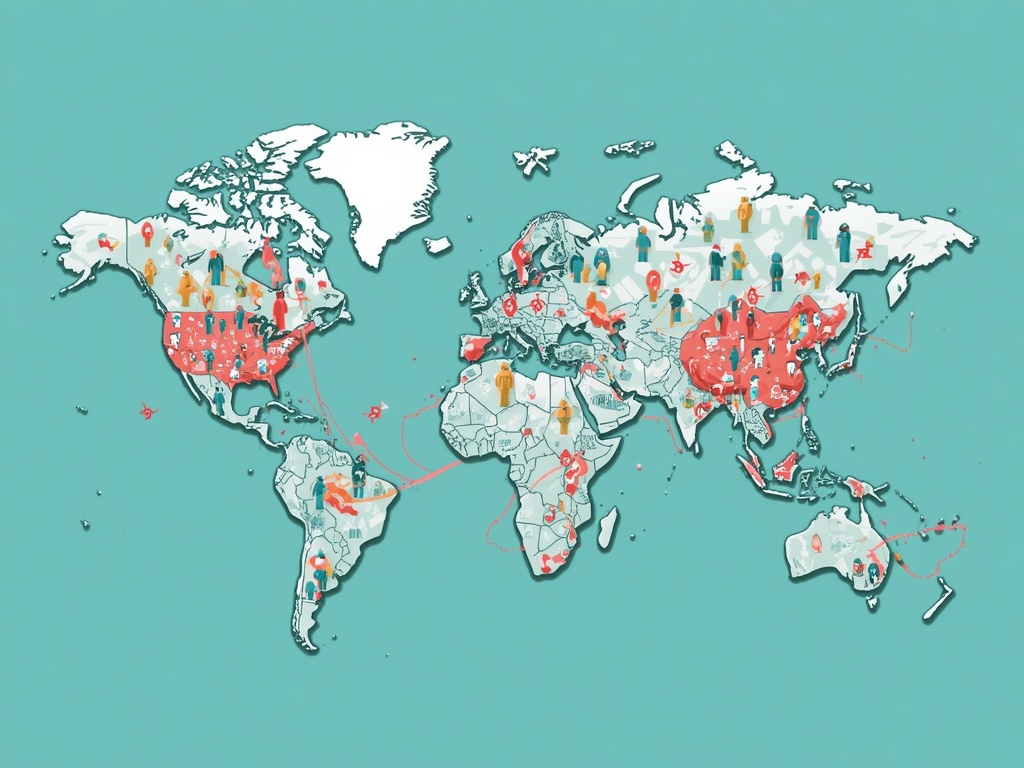
The British Medical Journal highlights worldwide health investment as collective security amid America’s retreat from multilateral cooperation.
The world’s health systems are facing a geopolitical reckoning. The British Medical Journal has posted a stark message about the connection between global health and political stability, arguing that investing in health worldwide serves as a collective security strategy.
America Steps Back
The 2025 US National Security Strategy marks a decisive shift towards an “America First” approach. This reframes global public goods like disease surveillance and climate action as national burdens rather than shared responsibilities. The US withdrawal from the World Health Organization signals reduced multilateral engagement, creating risks for fragmented global health coordination.
But this isn’t just about America stepping back from the world stage. The ripple effects reach across the Atlantic, potentially increasing burdens on European health systems and surveillance networks.
The US 2024 Global Health Security Strategy does prioritise bilateral partnerships and political commitment to enhance prevention, detection, and response to infectious diseases. Yet critics worry this bilateral focus could weaken the coordinated global response that proved so vital during COVID-19.
Europe Must Fill the Gap
European health officials are already adapting to this new reality. The EU Global Health Strategy to 2030 prioritises improving global health security through policy frameworks aimed at better health outcomes worldwide. This represents Europe’s attempt to maintain multilateral cooperation even as the US pulls back.
The World Health Organization defines global public health security as activities to minimise vulnerability to acute public health events that endanger populations across borders. Post-COVID discussions have broadened collective security to include health crises, framing pandemics as threats to peace and security within UN frameworks.
A Multipolar Health World
Some experts see opportunities in this shift towards multipolar global health politics. They argue for “values-based realism” to balance geopolitical competition with health equity and cooperation. This approach could give low- and middle-income countries more influence in advancing health sovereignty.
The challenge lies in maintaining effective disease surveillance and response systems when major powers prioritise national interests over global coordination.
Source: @bmj_latest
Key Takeaways
- US “America First” policy treats global health cooperation as a burden rather than shared responsibility
- European health systems face increased pressure as America reduces multilateral engagement
- Multipolar approach to global health could offer new opportunities for international cooperation
What This Means for Kent Residents
Kent residents may face heightened risks from fragmented global health security, especially affecting cross-border disease surveillance via Channel ports and the Eurotunnel. NHS Kent and Medway ICB coordinates local responses to international health threats, including migrant health screenings at borders, but reduced global cooperation could strain these systems. Residents should stay informed via the NHS app and UK Health Security Agency for travel-related health risks, and consult NHS 111 for health concerns or their GP for travel health advice before international trips.
Test Your Knowledge
5 questions