

 Arsenal
 Manchester City
 Manchester United
 Liverpool
 Aston Villa
 Brentford
 Brighton
 Bournemouth
 Chelsea
 Fulham
 Everton
 Sunderland
 Newcastle
 Crystal Palace
 Leeds
Leeds Nottingham Forest
 West Ham
 Tottenham
 Burnley
 Wolves
 Coventry
 Ipswich
 Millwall
 Southampton
 Middlesbrough
 Hull City
 Wrexham
 Derby
Derby Norwich
 Birmingham
 Swansea
 Bristol City
 Sheffield Utd
 Preston
 QPR
QPR Watford
 Stoke City
 Portsmouth
 Charlton
 Blackburn
 West Brom
 Oxford United
 Leicester
 Sheffield Wednesday
 Lincoln
 Cardiff
 Stockport County
 Bradford
 Bolton
 Stevenage
 Luton
Luton Plymouth
 Huddersfield
 Mansfield Town
 Wycombe
 Reading
 Blackpool
 Doncaster
 Barnsley
 Wigan
Wigan Burton Albion
 Peterborough
 AFC Wimbledon
 Leyton Orient
 Exeter City
 Port Vale
 Rotherham
 Northampton
 Bromley
  Milton Keynes Dons
 Cambridge United
 Salford City
 Notts County
 Chesterfield
 Grimsby
 Barnet
 Swindon Town
 Oldham
 Crewe
Crewe Colchester
 Walsall
 Bristol Rovers
 Fleetwood Town
 Accrington ST
 Gillingham
  Cheltenham
 Shrewsbury
 Newport County
 Tranmere
 Crawley Town
 Harrogate Town
 Barrow
 York
York Rochdale
 Carlisle
 Boreham Wood
 Scunthorpe
 Southend
 Forest Green
 FC Halifax Town
 Hartlepool
 Woking
 Tamworth
 Boston United
 Altrincham
 Solihull Moors
 Wealdstone
 Yeovil Town
 Eastleigh
 Gateshead
 Sutton Utd
 Aldershot Town
 Brackley Town
 Morecambe
 Braintree
 Truro City
 AFC Fylde
 South Shields
 Kidderminster Harriers
 Macclesfield
 Buxton
 Scarborough Athletic
 Chester
 Merthyr Town
 Darlington 1883
 Spennymoor Town
 AFC Telford United
 Marine
 Radcliffe
 Southport
 Chorley
 Worksop Town
 Oxford City
 Bedford Town
 King's Lynn Town
 Hereford
 Curzon Ashton
 Alfreton Town
 Peterborough Sports
 Leamington
 Worthing
 AFC Hornchurch
 Torquay
 Dorking Wanderers
 Hemel Hempstead Town
 Weston-super-Mare
 Maidenhead
 Maidstone Utd
  Ebbsfleet United
  Chelmsford City
 Chesham United
 AFC Totton
 Dagenham & Redbridge
 Tonbridge Angels
  Horsham
 Slough Town
 Salisbury
 Hampton & Richmond
 Farnborough
 Dover
Dover  Bath City
 Chippenham Town
 Enfield Town
 Eastbourne Borough
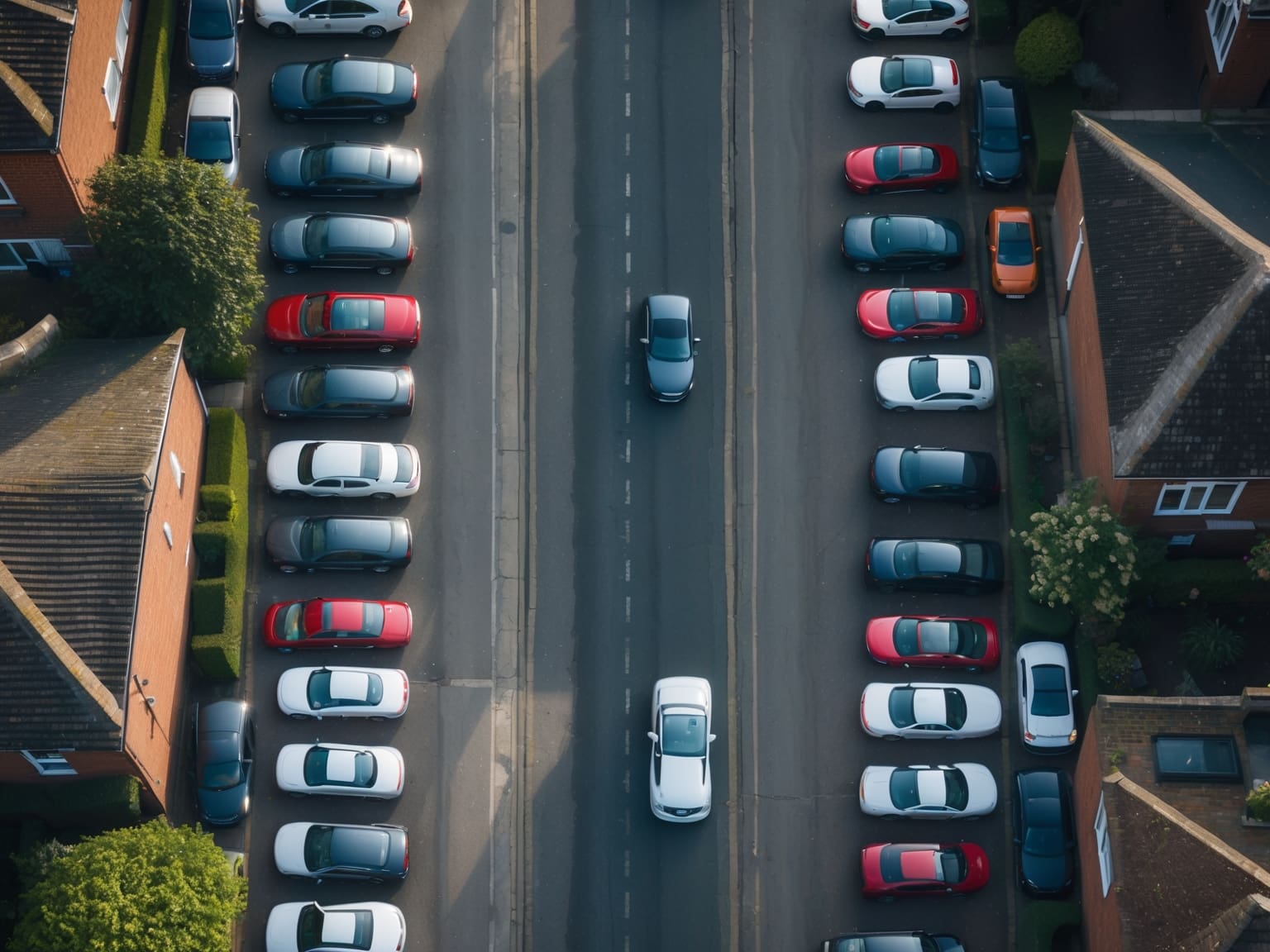
Folkestone & Hythe District Council has approved an updated policy framework for implementing Controlled Parking Zones to address on-street parking issues and prevent displacement to neighbouring streets.
Folkestone & Hythe District Council has approved a new policy framework for Controlled Parking Zones that aims to tackle the growing problem of parking displacement between streets.
The council receives up to 40 CPZ applications each year — mostly for individual roads. This fragmented approach has created a patchwork of parking controls across the district.
But the new policy takes a different approach. It replaces the 2015 framework following resident feedback and introduces several key changes to how parking zones are created and managed.
View tweet from @fstonehythedc
Higher Bar for New Zones
The biggest change raises the support threshold for formal CPZ consultations from 50% to 60% of affected properties. The council will also stop considering petitions for individual roads.
Cllr Polly Blakemore, Cabinet Member for Transport, Regulatory Services and Building Control, says the policy addresses parking displacement and ensures reliable consultation. The overview and scrutiny committee widely welcomed the proposals during development.
Yet critics argue the policy doesn’t create more parking spaces. Shepway Vox, a local political blog, warns it risks overlooking real-life needs like narrow streets, school runs, deliveries and mobility access.
Business Permits and Motorcycle Charges
The new framework introduces limited business permits for education, social care, health services and emergency services — but only based on available parking capacity.
Motorcycles will face standard resident and business permit charges for the first time. This aligns Folkestone & Hythe with neighbouring districts where bikers already pay fees.
The changes come after the council switched to digital permits via the RingGo app, ending physical scratchcards on 2 February 2026.
Public Consultation Results
Public consultation on the draft policy ran from 10 February until 3pm on 2 March 2026. Residents could respond via online questionnaire or paper copies.
The council approved the policy after the consultation closed in early March. But some concerns remain about rising costs amid recent permit price hikes.
Resident first permits rose from £35 to £45 between 2022/23 and 2025/26, though the council has now proposed freezing prices.
How CPZs Work
Controlled Parking Zones manage on-street parking through yellow lines, designated bays or permit systems. Residents can apply for permits but aren’t guaranteed a space.
The zones operate under the Road Traffic Regulation Act 1984, giving councils discretionary powers over parking management.
Current zones span Folkestone, Hythe and surrounding areas including Snargate, Sellindge, Lydd and Lyminge.
The Displacement Problem
Single-street parking schemes often push problems onto neighbouring roads. Residents park wherever they can find space — creating new pressure points.
The council’s joined-up approach aims to consider whole areas rather than individual streets. This should reduce the cat-and-mouse game of parking displacement.
But Shepway Vox argues the policy must fix gaps before adoption to fit local realities. They point to finite kerbside resources and competing demands from different users.
Key Takeaways
Support threshold for new CPZ consultations rises from 50% to 60% of affected properties
Business permits available for education, health and emergency services based on parking capacity
Motorcycles will pay standard permit charges, ending free parking for bikers
What This Means for Folkestone & Hythe Residents
Residents should check the council website for current CPZ maps and permit applications — no immediate changes affect existing zones but future proposals will use the higher 60% support threshold. The joined-up approach should reduce street-by-street parking battles, though it may limit new schemes for individual roads. Anyone concerned about parking issues in their area should contact the council early, as the new policy focuses on area-wide solutions rather than single-street fixes.