

 Arsenal
 Manchester City
 Manchester United
 Liverpool
 Aston Villa
 Bournemouth
 Brentford
 Brighton
 Chelsea
 Fulham
 Everton
 Sunderland
 Newcastle
 Leeds
Leeds Crystal Palace
 Nottingham Forest
 Tottenham
 West Ham
 Burnley
 Wolves
 Coventry
 Ipswich
 Millwall
 Southampton
 Middlesbrough
 Hull City
 Wrexham
 Derby
Derby Norwich
 Birmingham
 Swansea
 Bristol City
 Sheffield Utd
 Preston
 QPR
QPR Watford
 Stoke City
 Portsmouth
 Charlton
 Blackburn
 West Brom
 Oxford United
 Leicester
 Sheffield Wednesday
 Lincoln
 Cardiff
 Stockport County
 Bradford
 Bolton
 Stevenage
 Luton
Luton Plymouth
 Huddersfield
 Mansfield Town
 Wycombe
 Reading
 Blackpool
 Doncaster
 Barnsley
 Wigan
Wigan Burton Albion
 Peterborough
 AFC Wimbledon
 Leyton Orient
 Exeter City
 Port Vale
 Rotherham
 Northampton
 Bromley
  Milton Keynes Dons
 Cambridge United
 Salford City
 Notts County
 Chesterfield
 Grimsby
 Barnet
 Swindon Town
 Oldham
 Crewe
Crewe Colchester
 Walsall
 Bristol Rovers
 Fleetwood Town
 Accrington ST
 Gillingham
  Cheltenham
 Shrewsbury
 Newport County
 Tranmere
 Crawley Town
 Harrogate Town
 Barrow
 York
York Rochdale
 Carlisle
 Boreham Wood
 Scunthorpe
 Southend
 Forest Green
 FC Halifax Town
 Hartlepool
 Woking
 Tamworth
 Boston United
 Altrincham
 Solihull Moors
 Wealdstone
 Yeovil Town
 Eastleigh
 Gateshead
 Sutton Utd
 Aldershot Town
 Brackley Town
 Morecambe
 Braintree
 Truro City
 AFC Fylde
 South Shields
 Kidderminster Harriers
 Macclesfield
 Buxton
 Scarborough Athletic
 Chester
 Merthyr Town
 Darlington 1883
 Spennymoor Town
 AFC Telford United
 Marine
 Radcliffe
 Southport
 Chorley
 Worksop Town
 Oxford City
 Bedford Town
 King's Lynn Town
 Hereford
 Curzon Ashton
 Alfreton Town
 Peterborough Sports
 Leamington
 Worthing
 AFC Hornchurch
 Torquay
 Dorking Wanderers
 Hemel Hempstead Town
 Weston-super-Mare
 Maidenhead
 Maidstone Utd
  Ebbsfleet United
  Chelmsford City
 Chesham United
 AFC Totton
 Dagenham & Redbridge
 Tonbridge Angels
  Horsham
 Slough Town
 Salisbury
 Hampton & Richmond
 Farnborough
 Dover
Dover  Bath City
 Chippenham Town
 Enfield Town
 Eastbourne Borough
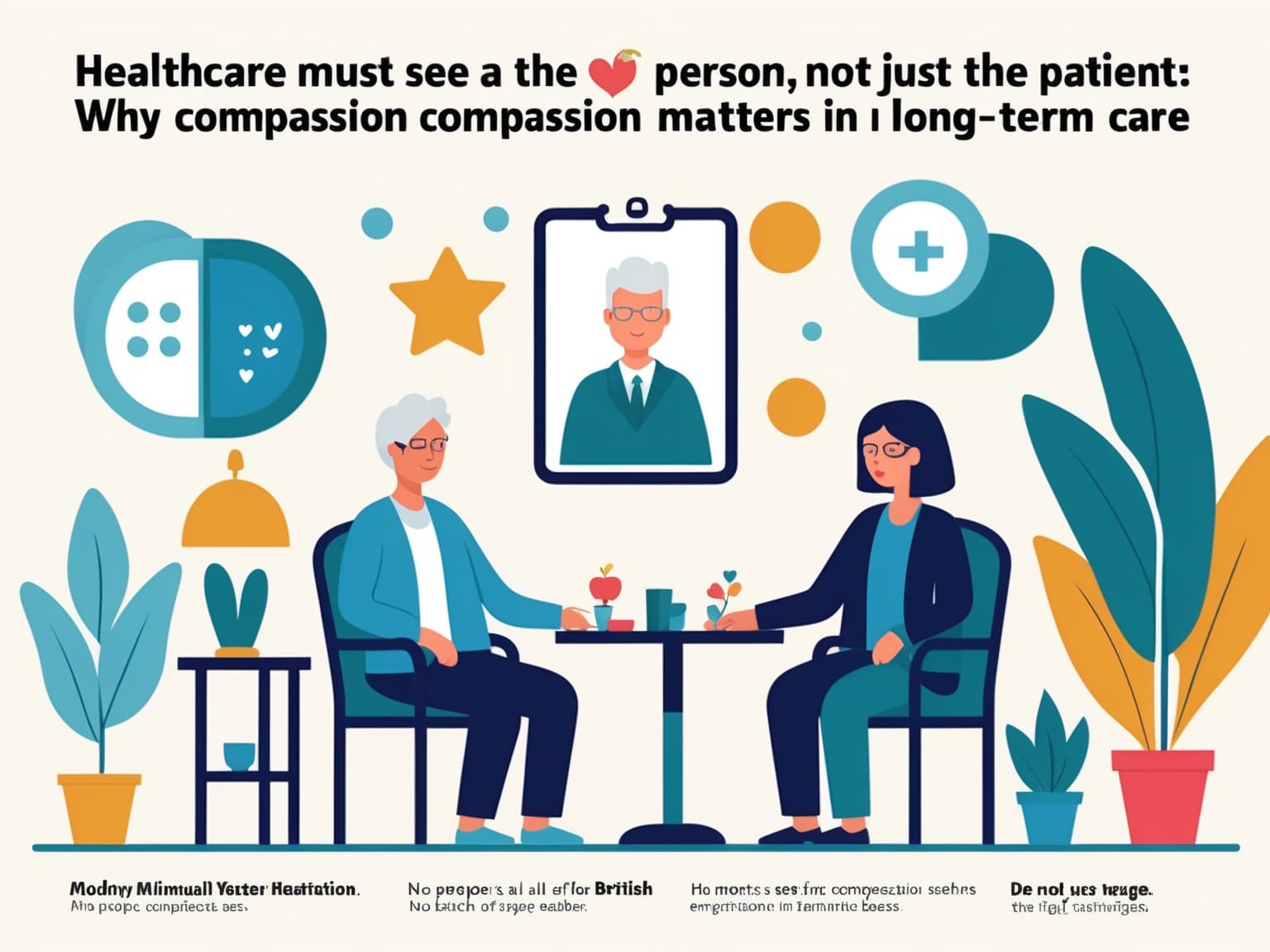
A patient’s powerful account of living with multiple sclerosis reveals how true healing requires healthcare professionals to look beyond diagnosis and treat the whole person.
When Siobhan Fennell was diagnosed with multiple sclerosis in 1999, she finally had an explanation for the changes devastating her life. But the diagnosis itself, whilst medically necessary, inadvertently reduced her identity to a condition. In a candid piece published in the British Medical Journal, she describes a journey through healthcare that taught her—and those caring for her—a vital lesson: patients are people first, diagnoses second.
“Very few healthcare professionals took time to see who I was under the diagnosis,” Fennell writes. Her experience touches on a challenge that echoes across the NHS and resonates with countless people living with long-term conditions. The gap between clinical competence and human compassion remains one of healthcare’s most pressing issues, particularly for those managing chronic diseases like MS.
The Challenge of Person-Centred Care
Multiple sclerosis is a complex neurological condition affecting the nervous system, with symptoms ranging from fatigue and numbness to mobility problems and cognitive changes. For Fennell, a woman who had once loved dancing and was managing a young child, the physical symptoms were only part of the struggle. The loss of identity—the psychological and emotional impact—threatened to overwhelm the physiological treatment she received.
In her early hospital experiences, Fennell felt invisible beyond her diagnosis. The medical focus on treating MS did not extend to supporting the whole person experiencing it. She describes nights that felt “long and lonely,” questioning not only her prognosis but her very identity. This emotional toll is well recognised in medical literature. The National Institute for Health and Care Excellence (NICE) has consistently emphasised that person-centred care—care that considers individual needs, preferences, and circumstances—improves both health outcomes and patient satisfaction.
Yet translating this principle into daily practice remains challenging across NHS services. Healthcare professionals are often stretched, working under time constraints, and specialising in specific conditions. The result can be fragmented care where the patient moves between specialists without anyone seeing the complete picture.
When Compassion Made the Difference
Fennell’s narrative shifts when she encounters healthcare workers who recognised her humanity. A nurse who spent half the night listening to her fears. A healthcare assistant who dyed her hair, restoring a small piece of her former self. Physiotherapists who talked with her during treatment. The cleaning team who became friends. These moments—which cost little in resources but much in presence—became the turning points in her recovery.
These interactions reveal something crucial: therapeutic benefit extends far beyond clinical expertise. The World Health Organization’s definition of health includes physical, mental, and social wellbeing. When Fennell’s caregivers acknowledged her as a whole person, they supported all three dimensions.
Over 26 years living with MS, Fennell has come to value the social model of disability—a framework that recognises disability as created by barriers in society rather than as individual deficits. This perspective shifts responsibility. It calls on healthcare systems and professionals to adapt to the person, not expect the person to conform to the system’s constraints.
The Power of Continuity and Teamwork
One factor Fennell identifies as invaluable is continuity of care. When a patient must repeatedly introduce themselves and re-explain their situation to new staff members, it is exhausting—particularly for someone managing a chronic condition. She notes that during hospital stays, she loses the assertiveness to advocate for herself, becoming vulnerable to brusque interactions or staff who forget her fragility.
This observation aligns with NHS guidance on continuity of care, which research shows improves patient outcomes, increases adherence to treatment, and enhances safety by reducing medical errors. When her rehabilitation team remained consistent—including specialists in physiotherapy, wheelchair services, and assistive technology—real progress followed.
Fennell emphasises that specialist knowledge is invaluable. The problem is not expertise but attitude. Every healthcare professional, regardless of specialism, can choose to see the complex human being in front of them. Referrals from her team to wheelchair services and assistive technology were “life changing” precisely because they were made in conversation with her, taking account of her needs and goals, rather than simply prescribed.
Lessons for the NHS and Beyond
Fennell’s account arrives at a time when the NHS is increasingly committed to person-centred care. NHS England’s long-term plan emphasises shifting from “doing to” patients to “doing with” them—genuine partnership in decision-making. However, systemic pressures, workforce shortages, and burnout among healthcare professionals can undermine these aspirations in practice.
Her message is simple but profound: every interaction between a healthcare professional and a patient is an opportunity. It is a chance to ask, listen, and adapt. It is a moment to acknowledge not just the condition but the person living with it.
Source: @bmj_latest
Key Takeaways
- Person-centred care—which recognises the patient as a whole human being with physical, emotional, and social needs—leads to better health outcomes and greater patient satisfaction
- Continuity of care and consistent healthcare teams significantly improve treatment effectiveness, particularly for those with long-term conditions like multiple sclerosis
- Small acts of compassion and genuine connection can be as therapeutically valuable as clinical interventions, helping patients maintain their identity and dignity whilst managing chronic illness
What This Means for Kent Residents
For Kent residents managing long-term conditions, this message carries practical weight. The Kent and Medway NHS Trust provides services across East and West Kent, including MS specialist clinics and rehabilitation services. If you are living with multiple sclerosis or another chronic condition, Fennell’s experience suggests several steps worth taking: seek continuity where possible by building relationships with your healthcare team, do not hesitate to introduce yourself and share your story with new professionals, and advocate for referrals to services that support your wider life goals—not just clinical management. Your GP or hospital specialist can signpost you to appropriate services, including physiotherapy, psychological support, and assistive technology assessments. The NHS and NICE both emphasise that your voice matters in your care. Being treated as a person, not merely as a patient, is not a luxury—it is fundamental to effective, ethical healthcare.