

 Arsenal
 Manchester City
 Manchester United
 Liverpool
 Aston Villa
 Brentford
 Brighton
 Bournemouth
 Chelsea
 Fulham
 Everton
 Sunderland
 Newcastle
 Crystal Palace
 Leeds
Leeds Nottingham Forest
 West Ham
 Tottenham
 Burnley
 Wolves
 Coventry
 Ipswich
 Millwall
 Southampton
 Middlesbrough
 Hull City
 Wrexham
 Derby
Derby Norwich
 Birmingham
 Swansea
 Bristol City
 Sheffield Utd
 Preston
 QPR
QPR Watford
 Stoke City
 Portsmouth
 Charlton
 Blackburn
 West Brom
 Oxford United
 Leicester
 Sheffield Wednesday
 Lincoln
 Cardiff
 Stockport County
 Bradford
 Bolton
 Stevenage
 Luton
Luton Plymouth
 Huddersfield
 Mansfield Town
 Wycombe
 Reading
 Blackpool
 Doncaster
 Barnsley
 Wigan
Wigan Burton Albion
 Peterborough
 AFC Wimbledon
 Leyton Orient
 Exeter City
 Port Vale
 Rotherham
 Northampton
 Bromley
  Milton Keynes Dons
 Cambridge United
 Salford City
 Notts County
 Chesterfield
 Grimsby
 Barnet
 Swindon Town
 Oldham
 Crewe
Crewe Colchester
 Walsall
 Bristol Rovers
 Fleetwood Town
 Accrington ST
 Gillingham
  Cheltenham
 Shrewsbury
 Newport County
 Tranmere
 Crawley Town
 Harrogate Town
 Barrow
 York
York Rochdale
 Carlisle
 Boreham Wood
 Scunthorpe
 Southend
 Forest Green
 FC Halifax Town
 Hartlepool
 Woking
 Tamworth
 Boston United
 Altrincham
 Solihull Moors
 Wealdstone
 Yeovil Town
 Eastleigh
 Gateshead
 Sutton Utd
 Aldershot Town
 Brackley Town
 Morecambe
 Braintree
 Truro City
 AFC Fylde
 South Shields
 Kidderminster Harriers
 Macclesfield
 Buxton
 Scarborough Athletic
 Chester
 Merthyr Town
 Darlington 1883
 Spennymoor Town
 AFC Telford United
 Marine
 Radcliffe
 Southport
 Chorley
 Worksop Town
 Oxford City
 Bedford Town
 King's Lynn Town
 Hereford
 Curzon Ashton
 Alfreton Town
 Peterborough Sports
 Leamington
 Worthing
 AFC Hornchurch
 Torquay
 Dorking Wanderers
 Hemel Hempstead Town
 Weston-super-Mare
 Maidenhead
 Maidstone Utd
  Ebbsfleet United
  Chelmsford City
 Chesham United
 AFC Totton
 Dagenham & Redbridge
 Tonbridge Angels
  Horsham
 Slough Town
 Salisbury
 Hampton & Richmond
 Farnborough
 Dover
Dover  Bath City
 Chippenham Town
 Enfield Town
 Eastbourne Borough
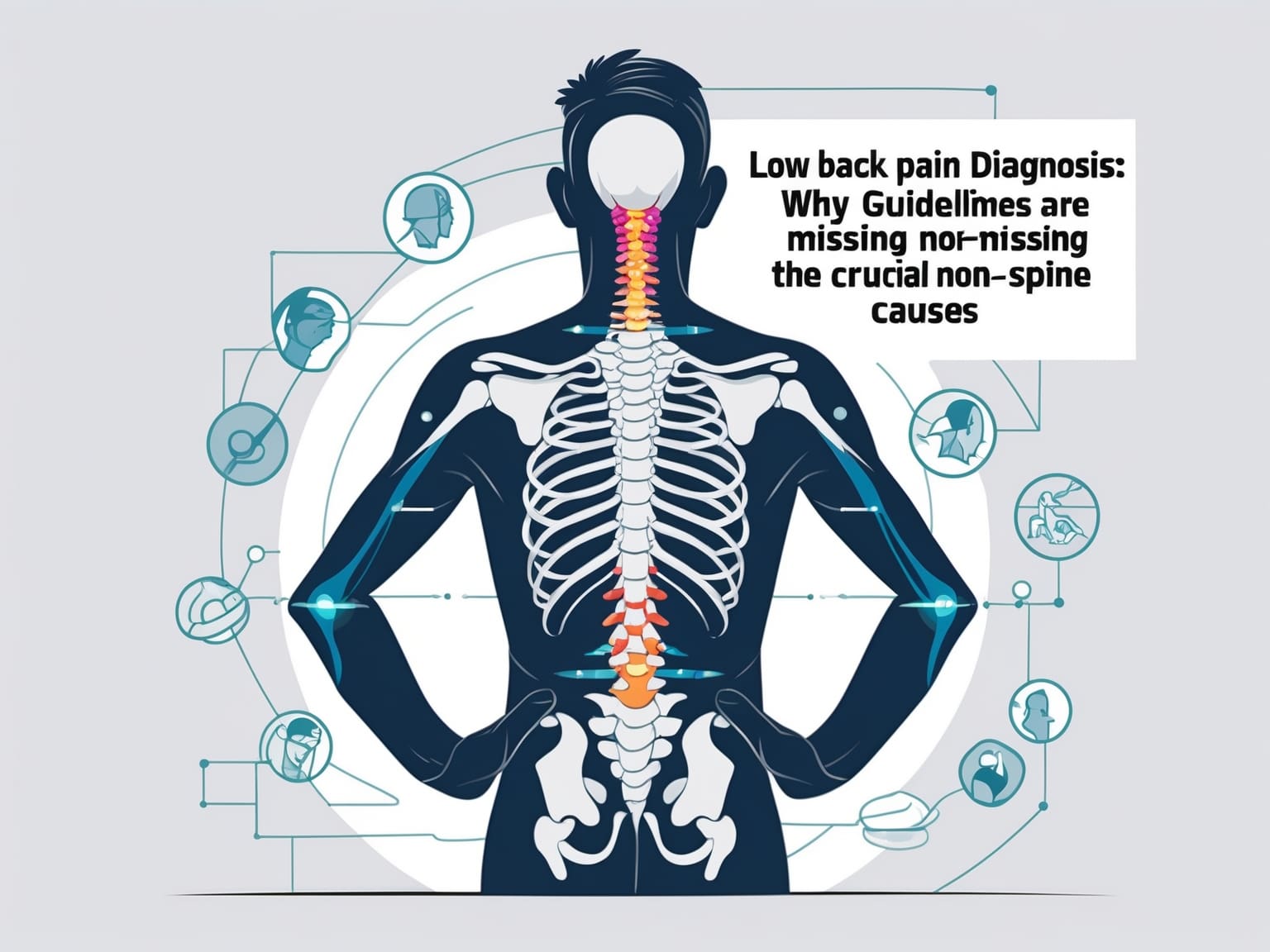
A major BMJ editorial calls for urgent overhaul of how NHS clinicians classify back pain, warning that ignoring conditions outside the spine could delay critical care.
Low back pain affects millions of people across the UK every year, yet the diagnostic guidelines used by NHS clinicians to assess and treat it may be overlooking a significant category of patients. According to a new editorial published in the British Medical Journal, most low back pain guidelines have failed to acknowledge that pain in the lower back can arise from conditions entirely unrelated to the spine itself.
The critique, authored by researchers including academics from King’s College London and the University of Sydney, highlights a puzzling gap in clinical practice that has persisted for three decades. For the past 30 years, low back pain guidelines have recommended classifying patients into essentially the same three categories: non-specific low back pain (when no precise underlying cause can be identified), radicular syndromes (nerve-related pain), or serious spinal pathology. Whilst simple, this classification system appears too narrow for modern diagnostic practice.
The Missing Category
The key problem, according to the editorial, is that most guidelines completely omit recognition of non-spine causes of low back pain. These conditions include renal disorders, gastrointestinal issues, hip osteoarthritis, and fractures beyond the lumbar spine—all of which can present as lower back pain and require entirely different clinical approaches. Confusingly, of 28 low back pain guidelines published since 2018 that provide diagnostic or assessment recommendations, only eight explicitly recognised non-spine conditions as a diagnostic category. The reasons why the remaining guidelines omitted this crucial category remain unclear.
This oversight has real clinical consequences. When patients with low back pain caused by, for example, kidney disease or bowel pathology are assessed using spinal-focused classification systems, the underlying condition may be missed or diagnosis delayed. This could potentially affect decisions about whether a patient needs urgent escalation of care or referral to relevant specialists outside musculoskeletal services.
Current UK Guidance and Practice
NHS guidance on low back pain is based on the principle that clinicians should always consider alternative diagnoses. The National Institute for Health and Care Excellence (NICE) recommends that healthcare professionals think about alternative diagnoses when examining patients with low back pain, particularly if they develop new or changed symptoms. Clinicians are advised to exclude specific causes such as cancer, infection, trauma, or inflammatory disease.
However, the BMJ editorial argues that having a specific diagnostic category for non-spine conditions would improve clarity and consistency in clinical assessment. Currently, recognition of non-spine causes relies on clinician awareness and differential diagnosis skills rather than being embedded within standard classification frameworks.
NHS guidance also emphasises that acute non-specific low back pain is typically not caused by serious structural damage, and most people recover within weeks with self-management strategies including staying active and appropriate exercise. For more complex presentations, NHS services including physiotherapy, pain management programmes, and health psychology support are available. However, the editorial suggests that better diagnostic classification could improve triage and ensure patients with non-spine causes reach the right services more quickly.
Implications for Clinical Care
The editorialists argue that greater recognition of non-spine causes could improve patient outcomes by enabling faster identification of conditions requiring urgent intervention or specialist referral. They note that the current widespread adoption of the three-category system, despite its limitations, creates a barrier to change. However, updating diagnostic classification systems could help NHS clinicians provide more targeted and appropriate care.
This is particularly important given that low back pain accounts for significant NHS workload. Improved diagnostic clarity could help direct patients more efficiently to relevant services—whether that is spinal physiotherapy, emergency departments for acute conditions, or specialist services for renal or gastrointestinal disorders presenting as back pain.
The editorial does not advocate for an overly complex diagnostic system but rather calls for explicit recognition that low back pain can originate from sources other than the spine, with guidance on red flags and referral pathways for these conditions.
Source: @bmj_latest
Key Takeaways
- Most low back pain guidelines have used the same diagnostic classification for 30 years, recognising only three categories: non-specific pain, nerve-related pain, and serious spinal pathology
- Non-spine causes—including kidney disease, bowel conditions, hip arthritis, and fractures outside the lumbar spine—are not acknowledged in the majority of guidelines, despite potentially requiring urgent specialist care
- A BMJ editorial argues that explicit diagnostic recognition of non-spine causes could improve care escalation and patient outcomes across the NHS
What This Means for Kent Residents
For people in Kent experiencing low back pain, this editorial underscores the importance of comprehensive assessment by NHS clinicians. If your back pain develops new characteristics, occurs alongside other symptoms such as abdominal pain or changes in urinary function, or is not responding to standard physiotherapy and self-management advice, it is crucial to report these changes to your GP. Kent and Medway NHS Trust provides musculoskeletal services and physiotherapy across the region, but clinicians will also consider whether your symptoms warrant investigation or referral to other specialties if non-spine causes are suspected. Ensure your GP undertakes a thorough assessment and do not hesitate to seek urgent medical attention if you experience red flag symptoms such as loss of bladder or bowel control, which require immediate emergency department assessment.