

 Arsenal
 Manchester City
 Manchester United
 Liverpool
 Aston Villa
 Brentford
 Brighton
 Bournemouth
 Chelsea
 Fulham
 Everton
 Sunderland
 Newcastle
 Crystal Palace
 Leeds
Leeds Nottingham Forest
 West Ham
 Tottenham
 Burnley
 Wolves
 Coventry
 Ipswich
 Millwall
 Southampton
 Middlesbrough
 Hull City
 Wrexham
 Derby
Derby Norwich
 Birmingham
 Swansea
 Bristol City
 Sheffield Utd
 Preston
 QPR
QPR Watford
 Stoke City
 Portsmouth
 Charlton
 Blackburn
 West Brom
 Oxford United
 Leicester
 Sheffield Wednesday
 Lincoln
 Cardiff
 Stockport County
 Bradford
 Bolton
 Stevenage
 Luton
Luton Plymouth
 Huddersfield
 Mansfield Town
 Wycombe
 Reading
 Blackpool
 Doncaster
 Barnsley
 Wigan
Wigan Burton Albion
 Peterborough
 AFC Wimbledon
 Leyton Orient
 Exeter City
 Port Vale
 Rotherham
 Northampton
 Bromley
  Milton Keynes Dons
 Cambridge United
 Salford City
 Notts County
 Chesterfield
 Grimsby
 Barnet
 Swindon Town
 Oldham
 Crewe
Crewe Colchester
 Walsall
 Bristol Rovers
 Fleetwood Town
 Accrington ST
 Gillingham
  Cheltenham
 Shrewsbury
 Newport County
 Tranmere
 Crawley Town
 Harrogate Town
 Barrow
 York
York Rochdale
 Carlisle
 Boreham Wood
 Scunthorpe
 Southend
 Forest Green
 FC Halifax Town
 Hartlepool
 Woking
 Tamworth
 Boston United
 Altrincham
 Solihull Moors
 Wealdstone
 Yeovil Town
 Eastleigh
 Gateshead
 Sutton Utd
 Aldershot Town
 Brackley Town
 Morecambe
 Braintree
 Truro City
 AFC Fylde
 South Shields
 Kidderminster Harriers
 Macclesfield
 Buxton
 Scarborough Athletic
 Chester
 Merthyr Town
 Darlington 1883
 Spennymoor Town
 AFC Telford United
 Marine
 Radcliffe
 Southport
 Chorley
 Worksop Town
 Oxford City
 Bedford Town
 King's Lynn Town
 Hereford
 Curzon Ashton
 Alfreton Town
 Peterborough Sports
 Leamington
 Worthing
 AFC Hornchurch
 Torquay
 Dorking Wanderers
 Hemel Hempstead Town
 Weston-super-Mare
 Maidenhead
 Maidstone Utd
  Ebbsfleet United
  Chelmsford City
 Chesham United
 AFC Totton
 Dagenham & Redbridge
 Tonbridge Angels
  Horsham
 Slough Town
 Salisbury
 Hampton & Richmond
 Farnborough
 Dover
Dover  Bath City
 Chippenham Town
 Enfield Town
 Eastbourne Borough
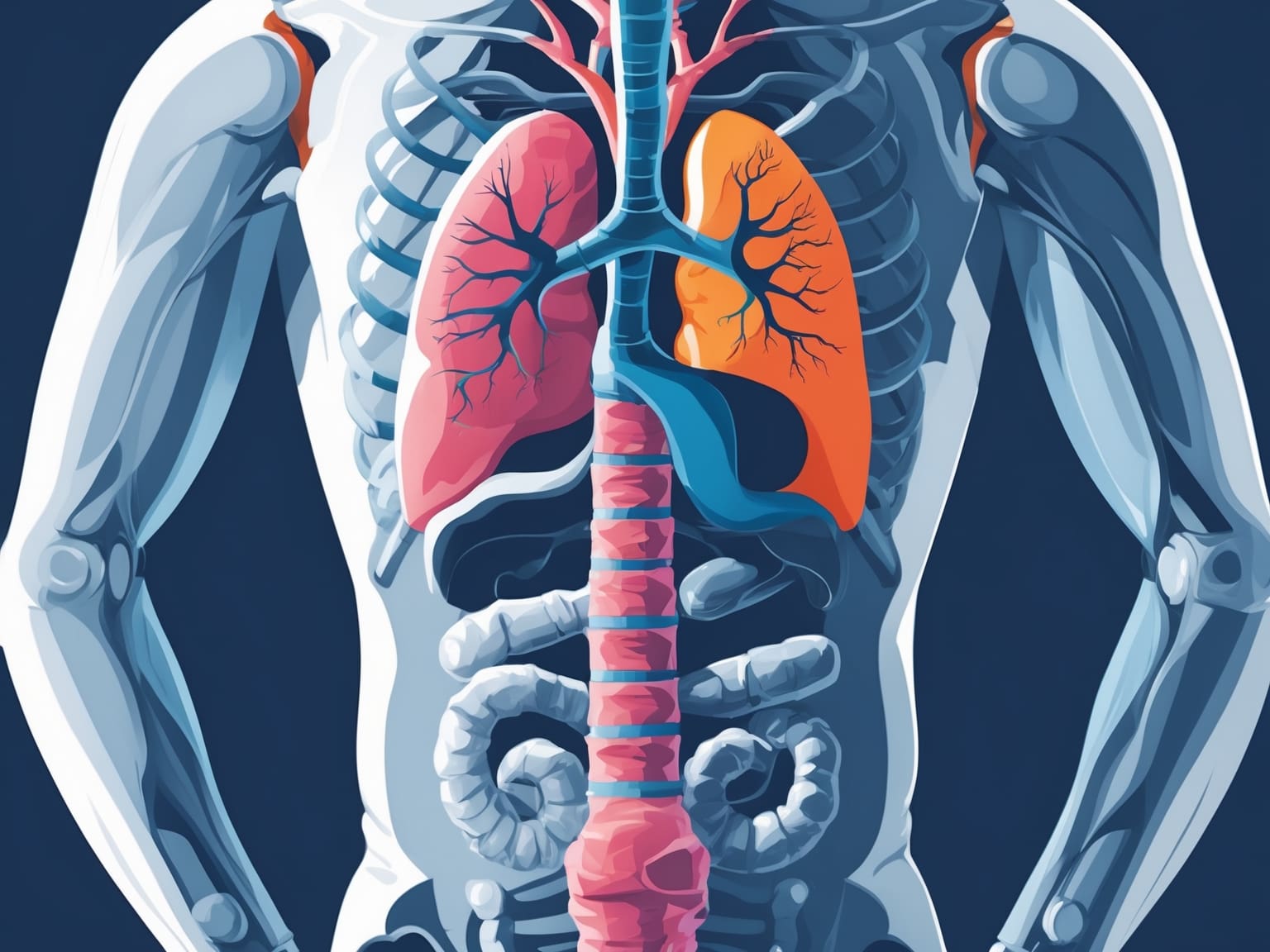
A combination of immunotherapy drug camrelizumab with chemotherapy offers improved outcomes for patients with gastric and oesophageal cancers, potentially transforming first-line treatment options.
Breakthrough in gastric cancer care
Researchers have published new evidence suggesting that combining the immunotherapy drug camrelizumab with standard chemotherapy could represent a significant advance in treating advanced gastric and gastro-oesophageal junction (G/GEJ) adenocarcinoma. The study, highlighted by the British Medical Journal, compared camrelizumab plus CAPOX chemotherapy followed by camrelizumab maintenance therapy against CAPOX chemotherapy alone as an initial treatment for patients with this aggressive cancer type.
Gastric and oesophageal junction cancers remain among the most challenging malignancies to treat, with limited therapeutic options for advanced cases. In the UK, around 6,500 cases of gastric cancer are diagnosed annually, making it a significant clinical burden. This research offers a potential new treatment pathway that combines an immune checkpoint inhibitor with conventional chemotherapy, addressing what clinicians describe as a “high unmet medical need” for more effective therapies.
How the treatment works
Camrelizumab is a monoclonal antibody that targets PD-1 (programmed death receptor 1), a protein that helps cancer cells evade the immune system. By blocking this pathway, the drug allows the body’s immune system to recognise and attack cancer cells more effectively. When combined with CAPOX chemotherapy—a regimen comprising capecitabine and oxaliplatin—the dual approach targets cancer through two mechanisms: direct cellular damage from chemotherapy and immune system activation.
The treatment protocol involves administering camrelizumab intravenously alongside chemotherapy in three-week cycles, followed by a maintenance phase using camrelizumab combined with additional targeted agents. This sequential approach is designed to maximise clinical benefits whilst managing side effects.
Evidence from recent studies
Research published in medical journals demonstrates encouraging results for this combination strategy. One phase II study showed that patients receiving camrelizumab plus SOX chemotherapy (a similar regimen using S-1 rather than capecitabine) followed by maintenance therapy achieved promising response rates and progression-free survival compared to chemotherapy alone. Crucially, the safety profile was described as manageable and tolerable, with no unexpected adverse events identified.
For patients with advanced G/GEJ adenocarcinoma, the combination approach demonstrated objective response rates suggesting that the majority of treated patients showed measurable tumour shrinkage or disease control. These outcomes compare favourably to chemotherapy-only approaches that have been the standard treatment for decades.
However, researchers emphasise that identifying which patients are most likely to benefit from combination immunotherapy remains crucial. Future treatment protocols will likely incorporate biomarker testing—examining specific tumour characteristics—to select patients most suited to this intensive approach.
Global context and UK implications
Whilst much of the recent research has been conducted internationally, particularly in Asia where gastric cancer incidence is higher, the findings have implications for UK oncology practice. The National Institute for Health and Care Excellence (NICE) continuously evaluates new cancer treatments for potential integration into NHS services. Immunotherapy combinations represent an evolving treatment landscape, with several checkpoint inhibitors already approved for use in the UK across various cancer types.
NHS England’s cancer networks and specialist centres treat gastric and oesophageal cancers using multidisciplinary team approaches. For eligible patients, new treatment options like camrelizumab combinations could potentially be accessed through clinical trials or, following regulatory approval, as standard treatments through NHS trusts.
Current treatment landscape
Traditionally, patients with advanced gastric cancer have been offered chemotherapy regimens, sometimes combined with targeted therapies such as HER2 inhibitors if tumours express HER2 protein. The addition of immunotherapy represents a paradigm shift in oncology, reflecting decades of research into how checkpoint inhibitors can unlock anti-tumour immunity.
Other checkpoint inhibitors, including nivolumab and pembrolizumab, have shown similar promising results when combined with chemotherapy in gastric cancer. The emerging evidence suggests that this combination approach may become a new standard-of-care option for first-line treatment of advanced disease.
What this means for patients
For patients diagnosed with advanced gastric or oesophageal junction cancer, these developments offer hope for improved survival outcomes. However, researchers stress that larger phase III randomised trials are needed to confirm these findings and establish clear clinical guidance. Such trials will provide the evidence base necessary for healthcare systems, including the NHS, to make definitive decisions about integrating these treatments into routine practice.
Patients should discuss all available treatment options—including clinical trials—with their oncology teams. Treatment decisions must be individualised, considering factors such as tumour characteristics, overall health status, and patient preference.
Source: @bmj_latest
Key Takeaways
- Camrelizumab, an immune checkpoint inhibitor, combined with CAPOX chemotherapy shows improved outcomes compared to chemotherapy alone for advanced gastric and gastro-oesophageal junction cancers.
- The combination approach is well tolerated, with a manageable safety profile, though careful patient selection remains essential.
- Further phase III randomised trials are required to confirm these findings and establish formal clinical recommendations for NHS adoption.
What This Means for Kent Residents
For Kent patients diagnosed with gastric or oesophageal junction cancer, these research developments offer potential pathways to newer, more effective treatments. Kent and Medway NHS Trust’s oncology services maintain access to clinical trials and specialist cancer treatment pathways. Patients should discuss new treatment options with their consultant oncologists at local NHS trusts and explore whether trial participation might be appropriate for their individual circumstances. Early discussions with general practitioners can facilitate referrals to specialist gastro-intestinal cancer centres for comprehensive evaluation and treatment planning. The NHS continues to evaluate emerging therapies, and new immunotherapy combinations may become available through standard NHS pathways following regulatory approval and NICE evaluation.