

 Arsenal
 Manchester City
 Manchester United
 Liverpool
 Aston Villa
 Bournemouth
 Brentford
 Brighton
 Chelsea
 Fulham
 Everton
 Sunderland
 Newcastle
 Leeds
Leeds Crystal Palace
 Nottingham Forest
 Tottenham
 West Ham
 Burnley
 Wolves
 Coventry
 Ipswich
 Millwall
 Southampton
 Middlesbrough
 Hull City
 Wrexham
 Derby
Derby Norwich
 Birmingham
 Swansea
 Bristol City
 Sheffield Utd
 Preston
 QPR
QPR Watford
 Stoke City
 Portsmouth
 Charlton
 Blackburn
 West Brom
 Oxford United
 Leicester
 Sheffield Wednesday
 Lincoln
 Cardiff
 Stockport County
 Bradford
 Bolton
 Stevenage
 Luton
Luton Plymouth
 Huddersfield
 Mansfield Town
 Wycombe
 Reading
 Blackpool
 Doncaster
 Barnsley
 Wigan
Wigan Burton Albion
 Peterborough
 AFC Wimbledon
 Leyton Orient
 Exeter City
 Port Vale
 Rotherham
 Northampton
 Bromley
  Milton Keynes Dons
 Cambridge United
 Salford City
 Notts County
 Chesterfield
 Grimsby
 Barnet
 Swindon Town
 Oldham
 Crewe
Crewe Colchester
 Walsall
 Bristol Rovers
 Fleetwood Town
 Accrington ST
 Gillingham
  Cheltenham
 Shrewsbury
 Newport County
 Tranmere
 Crawley Town
 Harrogate Town
 Barrow
 York
York Rochdale
 Carlisle
 Boreham Wood
 Scunthorpe
 Southend
 Forest Green
 FC Halifax Town
 Hartlepool
 Woking
 Tamworth
 Boston United
 Altrincham
 Solihull Moors
 Wealdstone
 Yeovil Town
 Eastleigh
 Gateshead
 Sutton Utd
 Aldershot Town
 Brackley Town
 Morecambe
 Braintree
 Truro City
 AFC Fylde
 South Shields
 Kidderminster Harriers
 Macclesfield
 Buxton
 Scarborough Athletic
 Chester
 Merthyr Town
 Darlington 1883
 Spennymoor Town
 AFC Telford United
 Marine
 Radcliffe
 Southport
 Chorley
 Worksop Town
 Oxford City
 Bedford Town
 King's Lynn Town
 Hereford
 Curzon Ashton
 Alfreton Town
 Peterborough Sports
 Leamington
 Worthing
 AFC Hornchurch
 Torquay
 Dorking Wanderers
 Hemel Hempstead Town
 Weston-super-Mare
 Maidenhead
 Maidstone Utd
  Ebbsfleet United
  Chelmsford City
 Chesham United
 AFC Totton
 Dagenham & Redbridge
 Tonbridge Angels
  Horsham
 Slough Town
 Salisbury
 Hampton & Richmond
 Farnborough
 Dover
Dover  Bath City
 Chippenham Town
 Enfield Town
 Eastbourne Borough
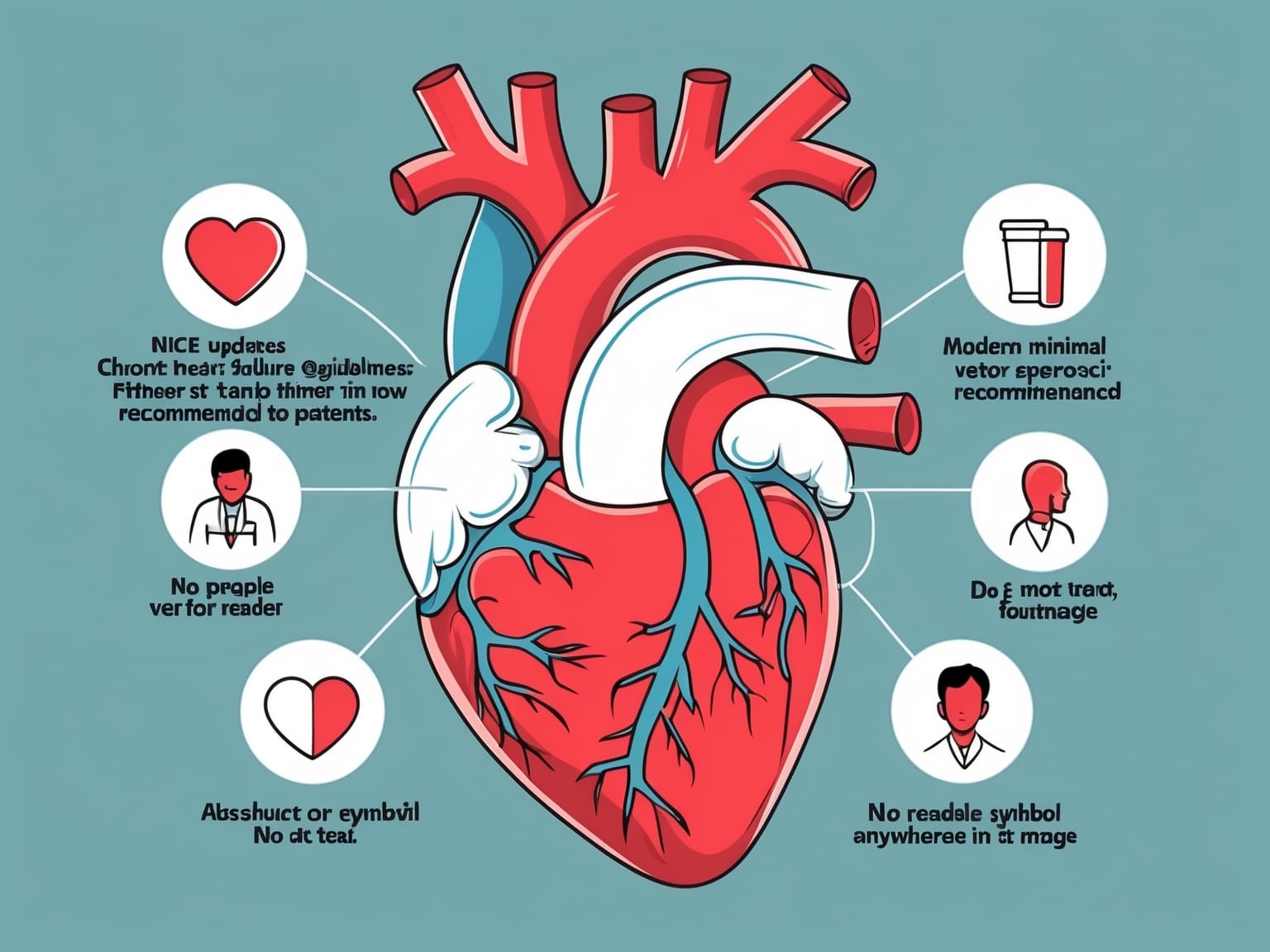
Updated NICE guidance published today recommends expanded access to life-extending medications for heart failure patients, with new focus on earlier treatment and GP-led initiation.
Chronic heart failure treatment in England has entered a new era, with the National Institute for Health and Care Excellence publishing substantially updated recommendations that broaden access to proven medications and bring specialist treatments into primary care. The update, which appears today in a practice summary in The BMJ, represents the most significant shift in heart failure management since the previous guidance in 2018, driven by major advances in pharmaceutical treatment.
The revised NICE guideline now recommends a four-class medication approach for patients with heart failure with reduced ejection fraction—a condition where the heart’s pumping power is severely weakened. These medications are angiotensin converting enzyme inhibitors, beta blockers, mineralocorticoid receptor antagonists, and sodium-glucose co-transporter-2 inhibitors (SGLT2 inhibitors). All four medicine classes can now be initiated in primary care, potentially accelerating treatment for thousands of patients currently waiting for specialist assessment.
This expansion comes as heart failure burden on the NHS intensifies. According to the 2025 National Heart Failure Audit, hospital admissions for heart failure have risen significantly, increasing from 61,401 in 2022-23 to 65,679 in 2023-24. Across Europe, chronic heart failure affects an estimated 1-2% of the adult population, with approximately 614,000 adults in England currently living with a heart failure diagnosis. These figures underscore why faster, more accessible treatment pathways have become essential.
Recognition of mild and severe stagesA major shift in the updated guidance involves formal recognition of two additional patient groups previously less clearly defined. Heart failure with mildly reduced ejection fraction—where the heart’s pumping function is only slightly impaired—now receives specific treatment recommendations, as does heart failure with preserved ejection fraction, where pump function appears normal but the heart struggles to relax properly. For these patients, SGLT2 inhibitors and mineralocorticoid receptor antagonists are now considered, offering hope to people previously told limited treatments existed.
The guideline also addresses a common complication: anaemia in heart failure patients. Intravenous iron is now recommended for patients with reduced ejection fraction who have low haemoglobin levels below 150 grams per litre alongside iron deficiency, potentially improving symptoms and exercise tolerance.
Bringing specialists into GPs’ surgeriesOne of the most practical changes involves where these medicines are started. Previously, patients typically needed referral to specialist heart failure clinics before accessing newer treatments like SGLT2 inhibitors and angiotensin receptor neprilysin inhibitors (ARNIs). Under the updated guidance, GPs can now initiate these treatments with specialist advice rather than requiring formal specialist supervision, potentially reducing waiting times by months. This shift reflects growing confidence in primary care’s ability to manage heart failure safely, provided appropriate monitoring systems exist.
The guidance emphasises individualised care tailoring. Clinicians must now consider each patient’s medical history, frailty status, prognosis, and personal preferences when deciding which medicines to use, the order of introduction, and dosing schedules. This moves away from one-size-fits-all approaches towards precision medicine.
Monitoring and follow-up remain centralWhilst expanding treatment access, the updated guidance strengthens monitoring requirements. All patients require regular clinical assessment, including functional capacity evaluation, fluid status, heart rhythm, cognitive function, and nutritional assessment. Healthcare professionals must also regularly review medication effectiveness, check kidney function—because some heart failure medications affect the kidneys—and monitor blood potassium levels, as several medications can increase potassium to dangerous levels.
The guidance recommends that if serum creatinine increases by more than 50% or potassium exceeds 5.5 millimoles per litre, local protocols should be followed. Blood pressure management also requires attention, particularly for patients experiencing postural hypotension (dizziness upon standing).
Cardiac rehabilitation and informed decision-makingThe updated recommendations strengthen support for exercise-based cardiac rehabilitation programmes, tailored to individual circumstances and delivered in accessible settings—whether at home, in the community, or hospital. These programmes must include psychological and educational components, recognising that heart failure affects mental as well as physical health.
Importantly, the guidance reinforces shared decision-making principles, particularly regarding implantable cardioverter defibrillators. Patients must now receive clear explanations about the device function, risks, and benefits, including awareness that defibrillator functions can be deactivated without affecting pacemaking or resynchronisation therapy.
Source: @bmj_latest
Key Takeaways
- NICE now recommends a four-medicine class approach for heart failure with reduced ejection fraction, all initiable in primary care
- New treatment recommendations extended to patients with mildly reduced and preserved ejection fraction
- Hospital admissions for heart failure increased 7% in the past year, highlighting growing NHS demand
- Intravenous iron now recommended for anaemic heart failure patients to improve symptoms
What This Means for Kent Residents
Kent residents with heart failure can expect faster access to life-extending treatments through their GP surgeries, potentially avoiding lengthy waits for specialist appointments. Patients should discuss these new treatment options with their general practitioners, who can now initiate SGLT2 inhibitors and ARNIs with specialist support. Those already under the care of Kent and Medway NHS Trust’s heart failure services will see these recommendations implemented across local hospitals and community teams. If you experience persistent breathlessness, fatigue, or fluid retention, consult your GP promptly. Early diagnosis and treatment with these newer medications significantly improves long-term outcomes and quality of life. For more information, visit the NICE website or speak with your healthcare provider about whether these treatments are suitable for you.