
 Arsenal
 Manchester City
 Manchester United
 Liverpool
 Aston Villa
 Bournemouth
 Brentford
 Brighton
 Chelsea
 Fulham
 Everton
 Sunderland
 Newcastle
 Leeds
Leeds Crystal Palace
 Nottingham Forest
 Tottenham
 West Ham
 Burnley
 Wolves
 Coventry
 Ipswich
 Millwall
 Southampton
 Middlesbrough
 Hull City
 Wrexham
 Derby
Derby Norwich
 Birmingham
 Swansea
 Bristol City
 Sheffield Utd
 Preston
 QPR
QPR Watford
 Stoke City
 Portsmouth
 Charlton
 Blackburn
 West Brom
 Oxford United
 Leicester
 Sheffield Wednesday
 Lincoln
 Cardiff
 Stockport County
 Bradford
 Bolton
 Stevenage
 Luton
Luton Plymouth
 Huddersfield
 Mansfield Town
 Wycombe
 Reading
 Blackpool
 Doncaster
 Barnsley
 Wigan
Wigan Burton Albion
 Peterborough
 AFC Wimbledon
 Leyton Orient
 Exeter City
 Port Vale
 Rotherham
 Northampton
 Bromley
  Milton Keynes Dons
 Cambridge United
 Salford City
 Notts County
 Chesterfield
 Grimsby
 Barnet
 Swindon Town
 Oldham
 Crewe
Crewe Colchester
 Walsall
 Bristol Rovers
 Fleetwood Town
 Accrington ST
 Gillingham
  Cheltenham
 Shrewsbury
 Newport County
 Tranmere
 Crawley Town
 Harrogate Town
 Barrow
 York
York Rochdale
 Carlisle
 Boreham Wood
 Scunthorpe
 Southend
 Forest Green
 FC Halifax Town
 Hartlepool
 Woking
 Tamworth
 Boston United
 Altrincham
 Solihull Moors
 Wealdstone
 Yeovil Town
 Eastleigh
 Gateshead
 Sutton Utd
 Aldershot Town
 Brackley Town
 Morecambe
 Braintree
 Truro City
 AFC Fylde
 South Shields
 Kidderminster Harriers
 Macclesfield
 Buxton
 Scarborough Athletic
 Chester
 Merthyr Town
 Darlington 1883
 Spennymoor Town
 AFC Telford United
 Marine
 Radcliffe
 Southport
 Chorley
 Worksop Town
 Oxford City
 Bedford Town
 King's Lynn Town
 Hereford
 Curzon Ashton
 Alfreton Town
 Peterborough Sports
 Leamington
 Worthing
 AFC Hornchurch
 Torquay
 Dorking Wanderers
 Hemel Hempstead Town
 Weston-super-Mare
 Maidenhead
 Maidstone Utd
  Ebbsfleet United
  Chelmsford City
 Chesham United
 AFC Totton
 Dagenham & Redbridge
 Tonbridge Angels
  Horsham
 Slough Town
 Salisbury
 Hampton & Richmond
 Farnborough
 Dover
Dover  Bath City
 Chippenham Town
 Enfield Town
 Eastbourne Borough
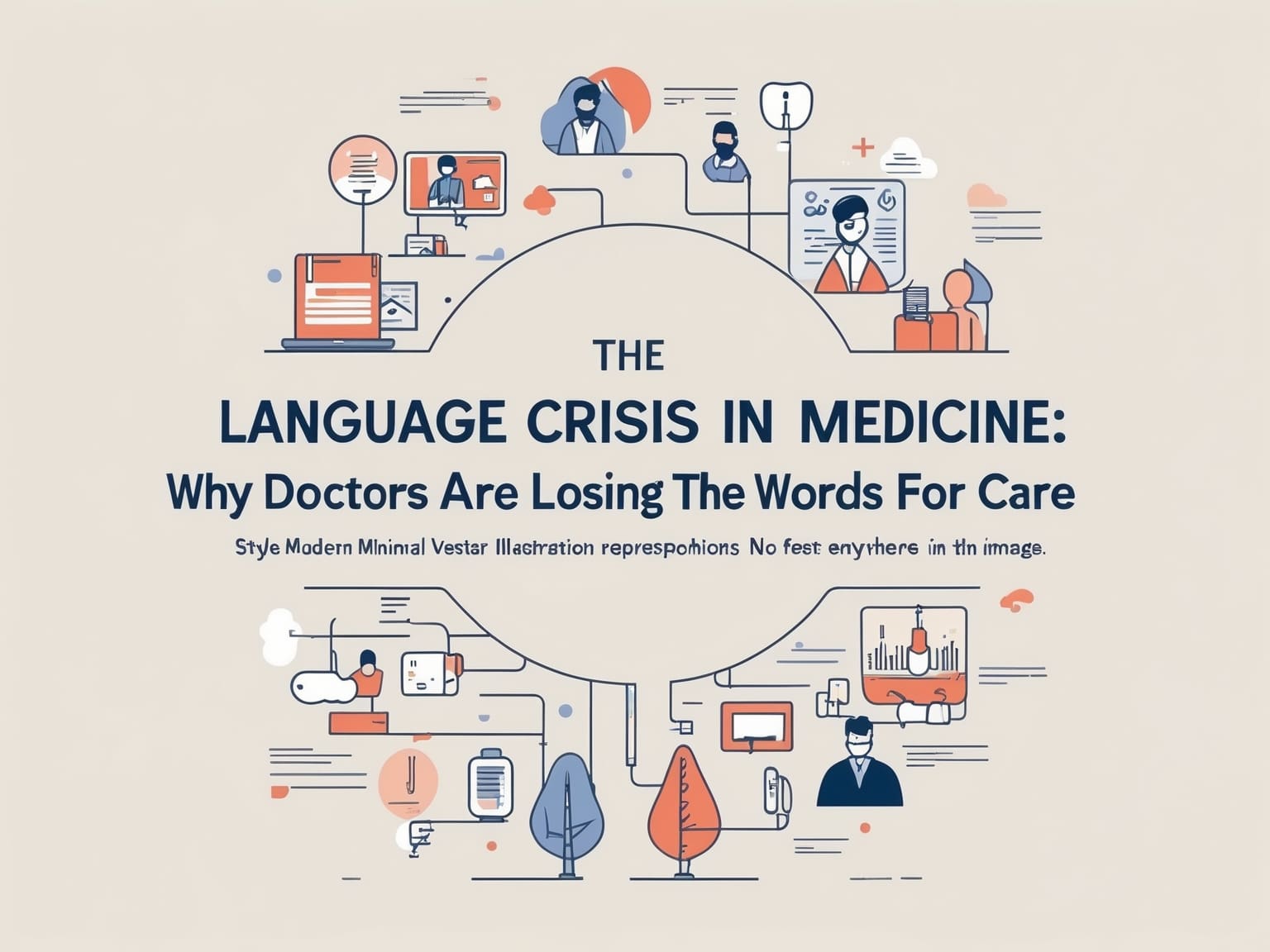
A leading physician warns that NHS clinical practice is being dominated by technical jargon at the expense of compassionate communication with patients.
Consulting rooms across England are witnessing a subtle but significant shift in how healthcare is communicated. Numbers and technical metrics are increasingly replacing the human language of care, concern and understanding—a trend that retired general practitioner Iona Heath warns is fundamentally damaging the doctor-patient relationship.
In a recent feature in the British Medical Journal, Heath raises alarm about what she describes as the “biomedicalisation” of clinical language. Her concern extends beyond mere semantics; she argues that the language choices made in healthcare settings—from policy documents to patient consultations—reflect and reinforce deeper problems in how modern medicine approaches the care of people.
The Numbers Dominating PolicyHeath’s analysis begins with the words themselves. When examining the language used in the NHS Long Term Plan “Fit for the Future,” the contrasts are stark. Terms like “genome,” “genomics,” “digital,” and “artificial intelligence” appear with striking frequency throughout policy documents, whilst words central to clinical care—such as “suffering,” “comfort,” “kindness,” and “solidarity”—are virtually absent.
This linguistic imbalance mirrors a broader shift in healthcare priorities. The language of prevention and risk management has become dominant, overshadowing the language of illness, fear, hope, and human vulnerability that actually characterises what happens in doctor’s surgeries and hospital wards. For patients living with chronic conditions or facing uncertainty about their health, this technocratic framing can feel alienating and disconnected from their lived experience.
When Language Blames Rather Than HealsBeyond policy documents, the problem manifests in everyday clinical language. Recent research from Cambridge University highlights how commonly used medical terminology can inadvertently demean or blame patients. Terms such as “non-compliant” or “poorly controlled” diabetes place responsibility on the patient rather than acknowledging the complexity of managing long-term conditions or the limitations of available treatments.
A study examining how language affects clinical attitudes found that subtle word choices matter profoundly. When clinicians described a patient as “refusing” an oxygen mask rather than “not tolerating” one, they were more likely to hold negative attitudes towards that patient and to prescribe less pain relief. Language, in other words, shapes how healthcare professionals think about and treat their patients.
Other phrases commonly embedded in medical training—such as “presenting complaint” instead of acknowledging a person’s reason for seeking help, or “taking a history” rather than listening to someone’s narrative—can reinforce outdated power imbalances between doctors and patients.
The Risk of Genetic Screening as MetaphorHeath uses the proposed newborn genetic screening scheme as a case study in how technocratic thinking can override careful clinical judgment. The proposal to sequence all newborns in England reflects, she argues, how technical innovation and political aspiration can drive policy without adequate consideration of real human consequences.
Population-wide genetic screening carries genuine risks: false positives that trigger unnecessary anxiety; false negatives that miss real problems; and the danger of “medicalising” healthy children by identifying genetic variants of uncertain significance. Rather than improving health, such screening risks converting healthy families into long-term patients, generating lifetime worry for parents and children alike.
More fundamentally, Heath argues that such proposals ignore what actually determines health outcomes: socioeconomic circumstances. The persistent gaps in life expectancy between rich and poor neighbourhoods are not explained by genetics but by poverty, inequality, and deprivation. Yet the NHS 10-year plan contains minimal reference to these realities.
Reconnecting Science and CareThe solution, Heath suggests, is not to reject scientific knowledge—numbers and evidence are essential tools in modern medicine. Rather, it is to restore balance: to ensure that the quantitative language of science sits alongside the qualitative language of human experience, that risk prevention coexists with acknowledgement of suffering, and that technical innovation serves human wellbeing rather than replacing it.
This requires conscious effort. Researchers and clinicians must work together to identify language that conveys clinical information accurately whilst respecting patients’ autonomy and dignity. Shared decision-making—endorsed by the National Institute for Health and Care Excellence—depends on conversation, not monologue; on partnership, not prescription.
For general practitioners, the task is particularly important. As Heath notes, general practice has always operated with a broader remit than simply diagnosing and treating disease. The profession exists to support patients’ autonomy, their ability to make choices, and their space to live as they choose. That mandate is being eroded by a culture increasingly focused on conformity and normalisation rather than individual flourishing.
Source: @bmj_latest
Key Takeaways
- Healthcare is increasingly dominated by technical and bureaucratic language at the expense of compassionate, human language
- Medical terminology that implies patient blame—such as “non-compliant” or “poorly controlled”—negatively affects therapeutic relationships and clinical decision-making
- Proposed policies like universal newborn genetic screening prioritise technical innovation over consideration of real human and social factors that determine health
- Restoring the language of care requires deliberate effort to balance scientific knowledge with acknowledgement of human experience and autonomy
What This Means for Kent Residents
For patients across Kent and Medway, this debate has real implications. Whether you’re managing a long-term condition like diabetes through your local GP practice or navigating the NHS system for treatment, the quality of communication with healthcare professionals directly affects your experience and outcomes. If you feel that your concerns aren’t being heard, or that medical language feels dismissive or blame-focused, consider discussing this with your healthcare provider or raising concerns with your local patient involvement groups. The Kent and Medway NHS Trust, like all NHS organisations, is committed to shared decision-making and person-centred care. Insisting that clinical conversations balance technical information with genuine listening to your needs is not asking too much—it is, in fact, what modern evidence-based medicine should provide.