

 Arsenal
 Manchester City
 Manchester United
 Liverpool
 Aston Villa
 Brentford
 Brighton
 Bournemouth
 Chelsea
 Fulham
 Everton
 Sunderland
 Newcastle
 Crystal Palace
 Leeds
Leeds Nottingham Forest
 West Ham
 Tottenham
 Burnley
 Wolves
 Coventry
 Ipswich
 Millwall
 Southampton
 Middlesbrough
 Hull City
 Wrexham
 Derby
Derby Norwich
 Birmingham
 Swansea
 Bristol City
 Sheffield Utd
 Preston
 QPR
QPR Watford
 Stoke City
 Portsmouth
 Charlton
 Blackburn
 West Brom
 Oxford United
 Leicester
 Sheffield Wednesday
 Lincoln
 Cardiff
 Stockport County
 Bradford
 Bolton
 Stevenage
 Luton
Luton Plymouth
 Huddersfield
 Mansfield Town
 Wycombe
 Reading
 Blackpool
 Doncaster
 Barnsley
 Wigan
Wigan Burton Albion
 Peterborough
 AFC Wimbledon
 Leyton Orient
 Exeter City
 Port Vale
 Rotherham
 Northampton
 Bromley
  Milton Keynes Dons
 Cambridge United
 Salford City
 Notts County
 Chesterfield
 Grimsby
 Barnet
 Swindon Town
 Oldham
 Crewe
Crewe Colchester
 Walsall
 Bristol Rovers
 Fleetwood Town
 Accrington ST
 Gillingham
  Cheltenham
 Shrewsbury
 Newport County
 Tranmere
 Crawley Town
 Harrogate Town
 Barrow
 York
York Rochdale
 Carlisle
 Boreham Wood
 Scunthorpe
 Southend
 Forest Green
 FC Halifax Town
 Hartlepool
 Woking
 Tamworth
 Boston United
 Altrincham
 Solihull Moors
 Wealdstone
 Yeovil Town
 Eastleigh
 Gateshead
 Sutton Utd
 Aldershot Town
 Brackley Town
 Morecambe
 Braintree
 Truro City
 AFC Fylde
 South Shields
 Kidderminster Harriers
 Macclesfield
 Buxton
 Scarborough Athletic
 Chester
 Merthyr Town
 Darlington 1883
 Spennymoor Town
 AFC Telford United
 Marine
 Radcliffe
 Southport
 Chorley
 Worksop Town
 Oxford City
 Bedford Town
 King's Lynn Town
 Hereford
 Curzon Ashton
 Alfreton Town
 Peterborough Sports
 Leamington
 Worthing
 AFC Hornchurch
 Torquay
 Dorking Wanderers
 Hemel Hempstead Town
 Weston-super-Mare
 Maidenhead
 Maidstone Utd
  Ebbsfleet United
  Chelmsford City
 Chesham United
 AFC Totton
 Dagenham & Redbridge
 Tonbridge Angels
  Horsham
 Slough Town
 Salisbury
 Hampton & Richmond
 Farnborough
 Dover
Dover  Bath City
 Chippenham Town
 Enfield Town
 Eastbourne Borough
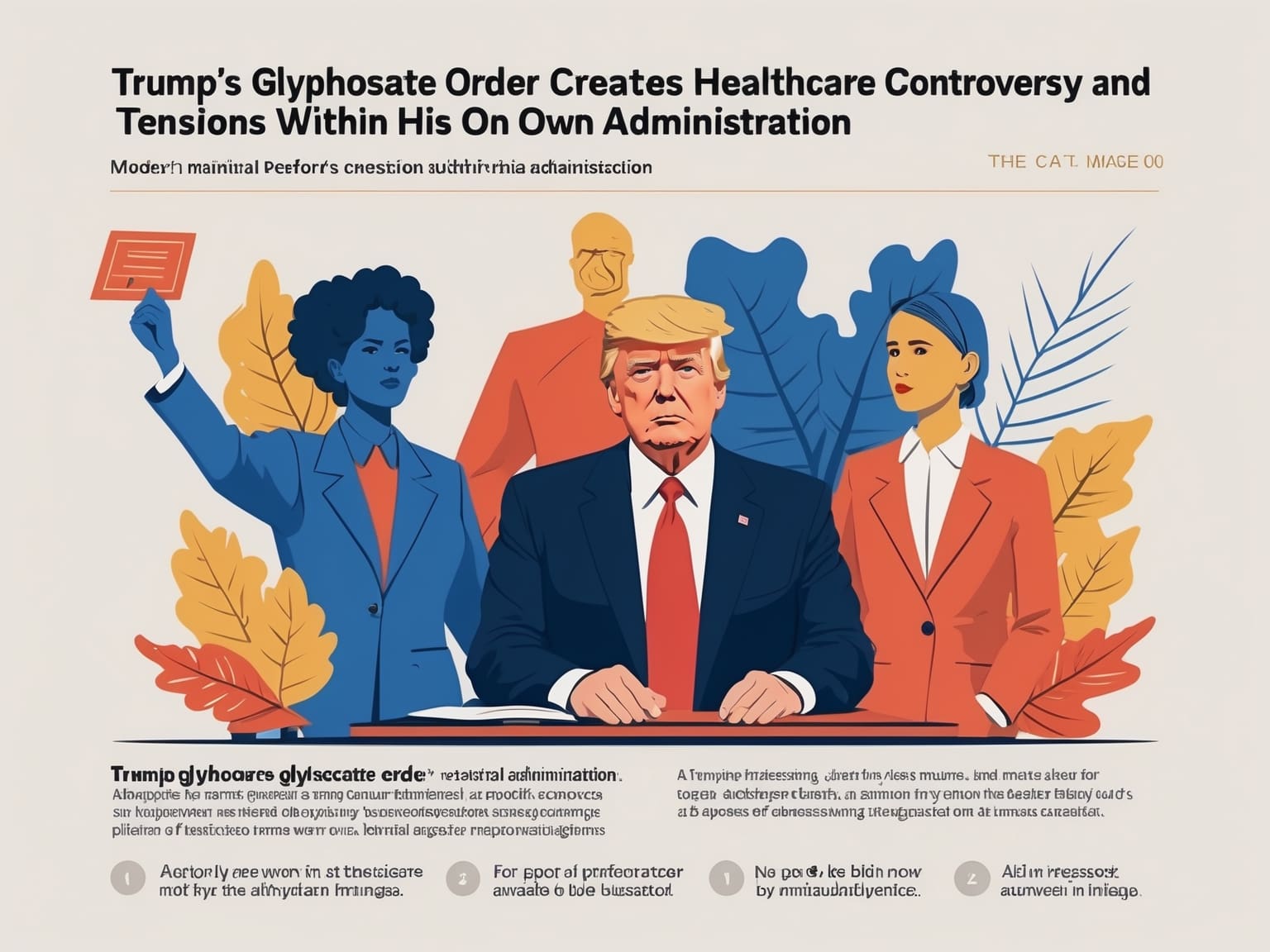
The US president’s move to boost domestic weedkiller production has sparked a fierce backlash from health advocates and created an awkward position for his health secretary.
President Donald Trump signed an executive order on 18 February 2026 to increase domestic production of glyphosate, the widely used herbicide sold as Roundup, citing national security and food supply concerns. However, the decision has ignited significant controversy within the administration itself and provoked angry accusations of betrayal from the Make America Healthy Again (MAHA) movement.
The executive order invokes the Defence Production Act, framing glyphosate as critical to America’s food security and national resilience. According to the White House, the order aims to strengthen domestic supply chains for both glyphosate-based herbicides and elemental phosphorus, materials the administration argues are essential to agriculture, defence and economic stability. Federal agencies have been instructed to prioritise domestic manufacturing capacity and ensure the availability of materials needed for production.
However, this move places health secretary Robert F Kennedy Jr—the founder of the MAHA movement and a long-standing critic of glyphosate—in an extraordinarily awkward position. Kennedy has previously campaigned against the herbicide, citing health concerns. The order has prompted fierce criticism from MAHA supporters, who view it as a betrayal of the movement’s core principles around eliminating toxic inputs from the food supply.
The Legal and Health ControversyGlyphosate remains one of the most controversial agricultural chemicals in use. The pesticide, originally developed by Monsanto and now owned by Bayer following its 2018 acquisition, has been the subject of tens of thousands of lawsuits. Many claimants allege they developed non-Hodgkin’s lymphoma through exposure to Roundup.
The controversy intensified during the week of the executive order when Bayer announced a class action settlement worth up to £5.4 billion to address US Roundup-related claims involving non-Hodgkin’s lymphoma. However, lawyers representing approximately 20,000 plaintiffs who used Roundup at home have objected to the settlement, arguing that their clients have been offered substantially less than occupational users.
The Environmental Protection Agency maintains there is “no evidence glyphosate causes cancer in humans,” a position that contrasts sharply with concerns raised by public health advocates and some international regulators. This scientific disagreement has become a key flashpoint in the debate.
Internal Administration TensionsDr Casey Means, Trump’s nominee for surgeon general, has publicly expressed grave concerns about glyphosate and other chemicals used in food production. During questioning by Senator Edward Markey in February, Means stated: “We must as a country move away from using toxic inputs in our food supply and we must study these chemicals more to understand their effects. I am very gravely concerned about the health impacts of these chemicals.”
This public statement directly contradicts the president’s executive order promoting the herbicide’s production. Means subsequently attempted to frame the MAHA strategy as aiming to help farmers transition to more sustainable practices whilst protecting American consumers, but the contradiction has left health advocates questioning how such conflicting positions can coexist within the same administration.
The order also extends certain liability protections to domestic producers under the Defence Production Act, though legal experts note this does not provide blanket product liability immunity—a distinction that matters significantly given the ongoing litigation landscape.
Agricultural and Economic PerspectivesAgriculture industry representatives have welcomed the order. The Texas Farm Bureau president Russell Boening stated: “We appreciate President Trump and his administration for listening to producers and recognising that food security is national security. This action helps protect Texas farmers’ and ranchers’ ability to continue producing the safest food and fibre that sustain our state and nation.”
Farmers and agricultural producers across the United States rely heavily on glyphosate for weed control and conservation practices. From their perspective, disruptions to supply chains threaten crop yields and food production. The administration’s framing of glyphosate as essential to national security reflects this agricultural dependency.
However, this creates a fundamental tension between agricultural economics and public health concerns—a tension that remains unresolved and increasingly uncomfortable for health officials within the Trump administration.
Source: @bmj_latest
Key Takeaways
- President Trump signed an executive order on 18 February 2026 prioritising domestic glyphosate production, citing national security and food supply concerns
- The decision has provoked anger from the Make America Healthy Again movement and placed health secretary Robert F Kennedy Jr in a contradictory position
- Bayer’s concurrent £5.4 billion settlement over Roundup-related non-Hodgkin’s lymphoma claims highlights the herbicide’s controversial legal status
- Trump’s surgeon general nominee Dr Casey Means has publicly expressed concerns about glyphosate health impacts, contradicting the executive order
- The order reflects tension between agricultural industry needs and public health concerns regarding chemical exposure
What This Means for Kent Residents
Whilst this is a US policy decision, it has implications for UK consumers and the NHS. Glyphosate is also used extensively in British agriculture and horticulture. The ongoing international controversy surrounding the herbicide’s safety profile may influence future UK regulatory decisions.
Kent residents concerned about pesticide exposure in their food should consult their GP or local health provider for evidence-based advice about food safety. NHS England’s resources on environmental health and occupational exposure are available through your local GP surgery. For Kent-based occupational health concerns related to pesticide exposure, contact occupational health services through Kent and Medway NHS Trust or your local GP practice for referral to appropriate occupational medicine specialists.