

 Arsenal
 Manchester City
 Manchester United
 Liverpool
 Aston Villa
 Brentford
 Brighton
 Bournemouth
 Chelsea
 Fulham
 Everton
 Sunderland
 Newcastle
 Crystal Palace
 Leeds
Leeds Nottingham Forest
 West Ham
 Tottenham
 Burnley
 Wolves
 Coventry
 Ipswich
 Millwall
 Southampton
 Middlesbrough
 Hull City
 Wrexham
 Derby
Derby Norwich
 Birmingham
 Swansea
 Bristol City
 Sheffield Utd
 Preston
 QPR
QPR Watford
 Stoke City
 Portsmouth
 Charlton
 Blackburn
 West Brom
 Oxford United
 Leicester
 Sheffield Wednesday
 Lincoln
 Cardiff
 Stockport County
 Bradford
 Bolton
 Stevenage
 Luton
Luton Plymouth
 Huddersfield
 Mansfield Town
 Wycombe
 Reading
 Blackpool
 Doncaster
 Barnsley
 Wigan
Wigan Burton Albion
 Peterborough
 AFC Wimbledon
 Leyton Orient
 Exeter City
 Port Vale
 Rotherham
 Northampton
 Bromley
  Milton Keynes Dons
 Cambridge United
 Salford City
 Notts County
 Chesterfield
 Grimsby
 Barnet
 Swindon Town
 Oldham
 Crewe
Crewe Colchester
 Walsall
 Bristol Rovers
 Fleetwood Town
 Accrington ST
 Gillingham
  Cheltenham
 Shrewsbury
 Newport County
 Tranmere
 Crawley Town
 Harrogate Town
 Barrow
 York
York Rochdale
 Carlisle
 Boreham Wood
 Scunthorpe
 Southend
 Forest Green
 FC Halifax Town
 Hartlepool
 Woking
 Tamworth
 Boston United
 Altrincham
 Solihull Moors
 Wealdstone
 Yeovil Town
 Eastleigh
 Gateshead
 Sutton Utd
 Aldershot Town
 Brackley Town
 Morecambe
 Braintree
 Truro City
 AFC Fylde
 South Shields
 Kidderminster Harriers
 Macclesfield
 Buxton
 Scarborough Athletic
 Chester
 Merthyr Town
 Darlington 1883
 Spennymoor Town
 AFC Telford United
 Marine
 Radcliffe
 Southport
 Chorley
 Worksop Town
 Oxford City
 Bedford Town
 King's Lynn Town
 Hereford
 Curzon Ashton
 Alfreton Town
 Peterborough Sports
 Leamington
 Worthing
 AFC Hornchurch
 Torquay
 Dorking Wanderers
 Hemel Hempstead Town
 Weston-super-Mare
 Maidenhead
 Maidstone Utd
  Ebbsfleet United
  Chelmsford City
 Chesham United
 AFC Totton
 Dagenham & Redbridge
 Tonbridge Angels
  Horsham
 Slough Town
 Salisbury
 Hampton & Richmond
 Farnborough
 Dover
Dover  Bath City
 Chippenham Town
 Enfield Town
 Eastbourne Borough
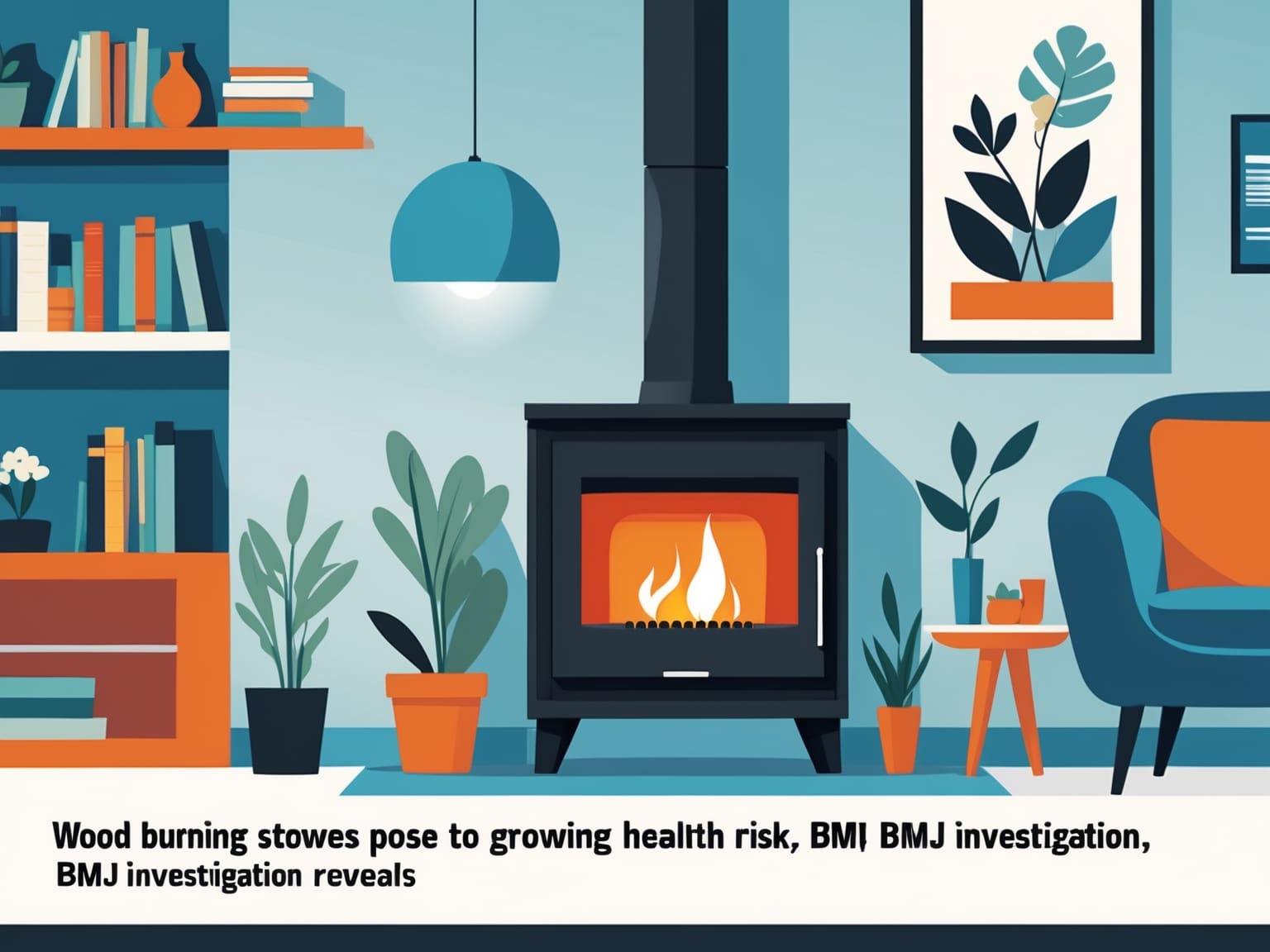
A major investigation by The BMJ has exposed how wood burning stoves contribute significantly to air pollution in urban areas, with the stove industry attempting to suppress public health warnings.
A significant investigation published by The BMJ this week has confirmed that wood burning stoves have become a major public health concern in urban areas across England, with mounting evidence linking domestic wood burning to serious illnesses including cardiovascular disease, cancer, and asthma. The findings are particularly concerning given that one in ten homes in England now own a wood burning stove.
The investigation reveals a troubling pattern: councils attempting to run public health campaigns warning residents about the dangers of wood burning have faced legal threats and lobbying from the Stove Industry Association (SIA). Freedom of Information requests showed that just under a third of the 50 councils in England with the highest concentration of wood burning stoves had been threatened with legal action or subjected to industry pressure.
The core health concern centres on fine particle air pollution, specifically particles smaller than 2.5 microns in diameter, known as PM2.5. These tiny particles can penetrate deep into the lungs and bloodstream, causing long-term health damage. Government emission data demonstrates that domestic burning is now a major source of this hazardous pollution. According to Chris Whitty, Chief Medical Officer for England, even the newest wood burning stoves emit considerably more pollution than gas boilers or electric heating systems.
“Air pollution is an extremely important, solvable health problem that leads to many diseases, including asthma in children, cancers, heart disease, and stroke,” Whitty has stated. He emphasised that in urban areas, the combination of high concentrations of medically vulnerable people and widespread solid fuel burning creates a particularly serious situation. “The growth of wood burning stoves in urban areas now contributes a significant and growing proportion of air pollution and in some places is reversing many decades of progress,” he noted.
The industry response has been contentious. Several councils, including Dudley in the West Midlands, Elmbridge in Surrey, and Rushmoor in Hampshire, received marketing materials from the SIA claiming that wood burning provides “health and wellbeing benefits” and that “eco design” stoves represent a “sustainable heating” solution. The SIA also distributed videos attempting to rebut what it called “misconceptions” about stove safety. When challenged by The BMJ, the SIA stated that it takes seriously allegations of wrongdoing and claimed its correspondence was intended to “provide a balanced and educational position.”
However, Laura Horsfall, from the Institute of Health Informatics, has cautioned that clearer public health messaging is needed. “Wood burning is often marketed as natural, cosy, or environmentally friendly. There’s also a need for greater awareness that even ‘eco design’ stoves are not pollution free,” she explained.
The government has responded to these concerns with regulatory action. The Department for Environment, Food and Rural Affairs (Defra) confirmed that it is planning stricter limits on newly purchased stoves and introducing health labels for fuels. A Defra spokesperson stated: “Dirty air robs people of their health and costs our NHS millions each year. We’ve set new ambitious targets to cut air pollution by a third by 2030, including the public’s exposure to fine particulate matter—the pollutant most harmful to human health.”
Charity responses have been strongly supportive of the investigation’s findings. Jonathan Blades, head of policy at Asthma + Lung, expressed serious concern about industry tactics: “These tactics by the stove industry clearly try to undermine public awareness of those risks, and that means people aren’t able to make informed decisions for their health. That’s a real concern that the councils need to address.”
The investigation comes at a time when attitudes towards wood burning stoves have shifted significantly in public perception. Once viewed as a charming, environmentally conscious heating choice, the evidence increasingly suggests they represent a genuine public health hazard in densely populated areas. The contrast between industry marketing claims and scientific evidence is stark, with the stove industry promoting health benefits whilst independent research confirms that wood burning contributes substantially to ambient air pollution linked to multiple serious diseases.
Source: @bmj_latest
Key Takeaways
- One in ten homes in England now own a wood burning stove, contributing significantly to urban air pollution
- Wood burning stoves emit considerably more PM2.5 particles than gas boilers or electric heating, even the newest “eco design” models
- Exposure to PM2.5 from wood burning is linked to cardiovascular disease, cancer, asthma, and respiratory illness
- The stove industry has pressured councils attempting to run health awareness campaigns, with legal threats documented by The BMJ
- The government plans to introduce stricter limits on newly purchased stoves and health warning labels by 2030
What This Means for Kent Residents
Kent residents concerned about air quality and respiratory health should be aware that wood burning stoves may significantly contribute to indoor and outdoor air pollution in their area. If you use a wood burning stove, particularly in urban areas of Kent such as Canterbury, Maidstone, or Medway, it is worth considering the health implications for your household and neighbours. Those with existing respiratory conditions, cardiovascular disease, or vulnerable family members should discuss heating alternatives with their GP surgery or contact their local environmental health department. The Kent and Medway NHS Trust has information available about air quality and respiratory health impacts. For guidance on alternative heating options or concerns about air pollution in your area, contact your local council’s environmental health team or speak with your GP practice.